


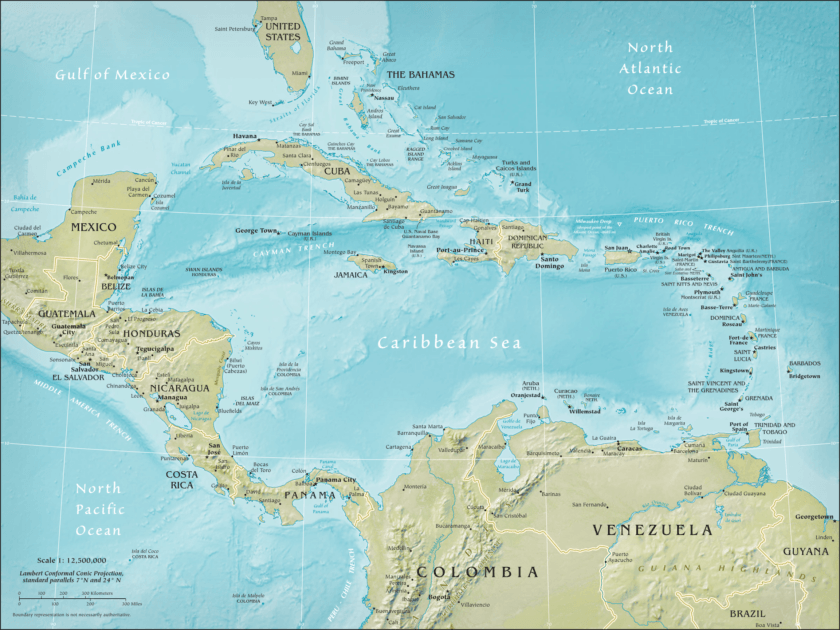
Introduction: Shifting Dynamics in Latin America and the Caribbean
In recent years, the geopolitical landscape of Latin America and the Caribbean has been marked by shifting alliances and the emergence of new power dynamics. Under the administration of former President Donald Trump, the region has found itself at the center of U.S. foreign policy, with an emphasis on solidifying relationships that align with his administration's ideological and strategic goals. The presidential summit held in Miami serves as a focal point for understanding this evolving relationship and its implications for business and finance in the region.
Strategic Alliances: The Miami Summit
In June 2020, Donald Trump convened a summit in Miami, inviting heads of state from countries that he viewed as ideological allies. This gathering was not merely a diplomatic event; it was a strategic maneuver aimed at consolidating support against perceived threats from leftist governments in the region, particularly in Venezuela and Cuba. The summit underscored a clear intention to reshape the political landscape of Latin America, promoting a vision of solidarity among countries that share Trump’s conservative values.
Economic Implications: Investment and Trade
The focus on solidarity among like-minded nations has significant implications for investment and trade in Latin America. The Trump administration's approach often emphasized bilateral trade agreements that favor U.S. interests, which could lead to increased investment flows into the region. By fostering relationships with countries that align with his policy objectives, Trump aimed to create a favorable environment for American businesses, potentially enhancing trade volumes and economic collaboration.
Challenges Ahead: Navigating Regional Differences
While the summit aimed to solidify alliances, the reality of Latin America's diverse political landscape presents challenges. Countries within the region have varying economic needs and political ideologies, leading to potential friction in establishing a unified front. For instance, while some nations may embrace Trump's policies, others remain skeptical, preferring to maintain ties with alternative global powers such as China and Russia. This divergence complicates the prospect of a cohesive economic strategy and could hinder the effectiveness of any initiatives stemming from the summit.
Impact on Regional Economies: Short-term Gains vs. Long-term Stability
For many Latin American countries, aligning with the U.S. under Trump’s vision could yield short-term economic benefits, particularly in terms of access to American markets and investment. However, the long-term stability of these economies may be jeopardized by over-dependence on the U.S. market and the volatility of American political priorities. Economists warn that such reliance could expose countries to risks associated with shifting U.S. policies, particularly if the political landscape changes with future administrations.
Geopolitical Tensions: The Role of China and Russia
As the U.S. seeks to strengthen its influence in Latin America, China and Russia have been steadily increasing their presence in the region. Both nations have invested heavily in infrastructure projects and provide alternative sources of financing that appeal to countries wary of U.S. hegemony. This competition raises the stakes for countries in Latin America, as they