


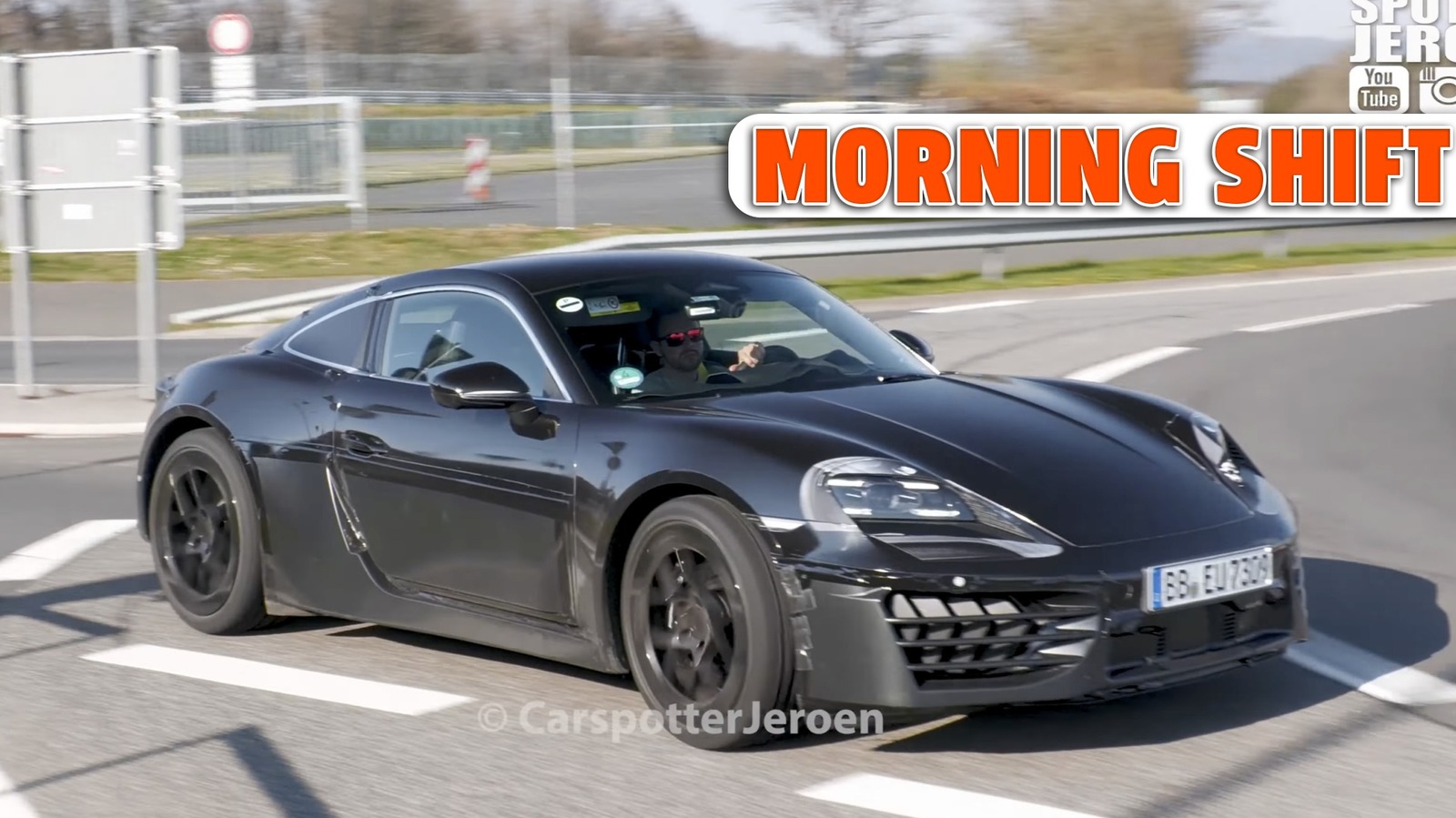
Porsche's Shift Towards Electric Vehicles
Porsche has long been synonymous with high-performance sports cars, particularly with its iconic Boxster and Cayman models. However, as the automotive industry undergoes a seismic shift towards electrification, the future of these models may be in jeopardy. Recent reports indicate that Porsche is reconsidering its plans to develop electric versions of both the Boxster and Cayman, raising questions about the brand's commitment to expanding its electric vehicle (EV) lineup.
Market Dynamics and Consumer Preferences
The growing demand for electric vehicles has prompted many traditional automakers to pivot their strategies. While Porsche has successfully launched the Taycan, its first all-electric sports car, the company faces stiff competition in the EV segment. Consumer preferences are rapidly evolving, and the demand for compact, high-performance electric vehicles is becoming increasingly evident. Yet, the niche market for two-door sports cars like the Boxster and Cayman may not align with broader consumer trends, leading Porsche to reconsider its investment in these models.
Financial Implications of Abandoning the Boxster and Cayman
Abandoning the electric versions of the Boxster and Cayman could have significant financial implications for Porsche. These models have historically contributed to the brand's profitability, and their absence from the electric lineup could limit Porsche's ability to capture a segment of the growing EV market. Analysts suggest that Porsche may instead focus on more lucrative segments, such as SUVs and sedans, which have proven to be more popular among consumers. This strategic shift could bolster the company's financial performance in the short term but may also risk alienating loyal customers who favor the brand's sports car heritage.
Elon Musk's SpaceX and xAI Acquisition
In a separate but equally noteworthy development, Elon Musk's SpaceX has acquired xAI, a company focused on artificial intelligence, in a record-setting deal that has drawn both interest and skepticism from industry observers. The acquisition reflects Musk's ongoing commitment to advancing technology across various sectors, including aerospace and automotive. However, the perceived opacity of this transaction raises questions about the regulatory scrutiny it may encounter, as Musk's ventures continue to push the boundaries of innovation and competition.
The Broader Impact on the Automotive Landscape
The potential abandonment of electric versions of the Boxster and Cayman, alongside Musk's acquisition activities, underscores the rapidly changing dynamics within the automotive and technology sectors. As companies navigate the complexities of electrification and technological integration, the focus remains on profitability and market relevance. The decisions made by industry leaders like Porsche and Musk will likely shape the future landscape of both electric vehicles and autonomous technologies.
Conclusion: A Fork in the Road for Porsche
As Porsche weighs its options regarding the electric Boxster and Cayman, the automaker stands at a critical juncture. The decision to proceed or pull back from these models could have far-reaching implications not only for the brand but also for the broader electric vehicle market. In a landscape defined by rapid change and evolving consumer expectations, Porsche's path forward will be closely watched by investors,