


Political Tensions Escalate in Malda Ahead of Assembly Elections
The political landscape in West Bengal is becoming increasingly fraught as Chief Minister Mamata Banerjee has leveled accusations against several parties, including the All India Majlis-e-Ittehad-ul-Muslimeen (AIMIM), the Indian Secular Front (ISF), and the Bharatiya Janata Party (BJP). These allegations come in the wake of a recent incident in Malda, where Banerjee claims that a judicial gherao—an encirclement of a judicial body—was orchestrated to disrupt the upcoming assembly elections. The political ramifications of these events could significantly impact the electoral dynamics in the region.
Accusations Against Political Rivals
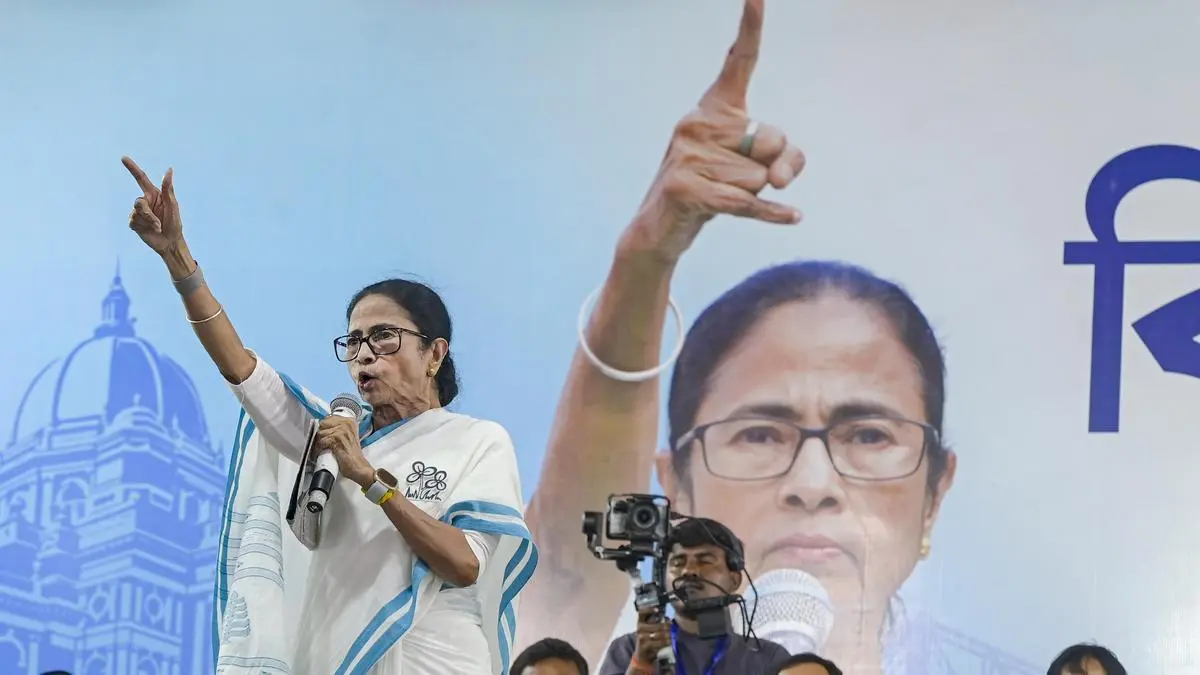
During a recent rally, Banerjee pointed fingers at the BJP, alleging that the party is not only instigating violence but is also manipulating voter rolls to ensure a favorable outcome for its candidates. She posited that the BJP's actions are not merely confined to local politics but involve a broader agenda of destabilizing the state through external influences. The Chief Minister's remarks underscore her concerns about the integrity of the electoral process, as well as the potential for heightened tensions in the lead-up to the elections.
Manipulation of Voter Rolls
Banerjee's assertion regarding voter roll manipulation raises important questions about electoral integrity in West Bengal. The Chief Minister has emphasized the need for transparency and fairness in the electoral process, suggesting that the BJP is employing underhanded tactics to sway the electorate. This claim resonates in a political climate where accusations of electoral malfeasance have become increasingly common, particularly as parties vie for dominance in a state that has historically been a stronghold for the Trinamool Congress (TMC).
External Elements in Local Politics
In her speech, Banerjee also expressed concern over the alleged involvement of external elements in the electoral process. She suggested that these external actors are being brought in to incite unrest and create divisions among the electorate. The Chief Minister's concerns reflect a broader narrative within the TMC that seeks to portray the BJP as an outsider party attempting to disrupt the local political fabric. This framing is likely intended to galvanize TMC supporters and reinforce the party's position as the defender of West Bengal's political sovereignty.
Response from Opposition Parties
The allegations made by Banerjee have not gone unanswered. Leaders from the AIMIM and ISF have pushed back against her claims, arguing that they are attempts to deflect attention from the TMC's own governance issues. The BJP has also dismissed the accusations, asserting that they are a sign of desperation from a party that senses its grip on power is slipping. This back-and-forth highlights the contentious nature of West Bengal politics, where every statement and counter-statement is scrutinized and leveraged for electoral advantage.
The Role of Violence in Political Discourse
Banerjee's emphasis on violence as a tool used by her opponents raises critical issues regarding the state of political discourse in West Bengal. The Chief Minister's comments suggest that she perceives a direct threat not only to her party but to the democratic process itself. The invocation of violence in political rhetoric is a powerful tactic, one that aims to rally support by framing the narrative in stark terms of good versus evil. As the elections approach, the specter of violence may loom larger, influencing voter sentiment and turnout.
Confidence in TMC's Electoral Prospects
Despite the turmoil and accusations, Banerjee has expressed unwavering confidence in the TMC's ability to secure a victory in the upcoming assembly elections. Her assertion that the party will emerge triumphant appears to be both a rallying cry for supporters and a strategic maneuver to project strength in the face of adversity. This confidence, however, must be tempered with an understanding of the complex and often unpredictable nature of electoral politics in West Bengal.
The Economic Implications of Political Stability
The political climate in West Bengal holds significant implications for the state's economic landscape. Investors and businesses closely monitor political developments, as stability is often a prerequisite for economic growth. Banerjee's government has pursued various initiatives aimed at attracting investment; however, political unrest could deter potential investors wary of instability. As such, the outcome of the upcoming elections may have lasting effects on the state's economic trajectory.
Public Sentiment and Voter Behavior
As the assembly elections approach, understanding public sentiment becomes crucial for all parties involved. Banerjee's accusations may resonate with certain voter demographics who feel threatened by the perceived external influences represented by the BJP and its allies. Conversely, there may be segments of the electorate that view the TMC's governance in a critical light, particularly in terms of economic performance and social welfare initiatives. This dichotomy in public sentiment will likely play a pivotal role in shaping voter behavior come election day.
Looking Ahead: The Future of West Bengal Politics
The tensions surrounding the Malda judicial gherao incident and Banerjee's subsequent accusations against the AIMIM, ISF, and BJP indicate that West Bengal politics are at a critical juncture. As the elections draw near, the strategies employed by each party will be scrutinized closely, with potential implications for governance and policy direction in the state. The outcome may not only determine the immediate political landscape but could also set the stage for future electoral battles in West Bengal.
Conclusion: A Defining Moment for West Bengal
In conclusion, the unfolding political drama in West Bengal serves as a reminder of the intricate and often volatile nature of Indian politics. Mamata Banerjee's accusations against her rivals reflect a broader struggle for power that is deeply intertwined with issues of governance, identity, and economic stability. As the state prepares for the upcoming assembly elections, the actions of all parties will be critical in shaping not only the electoral outcome but also the future trajectory of West Bengal. The coming weeks will be pivotal as voters weigh their options in a complex political landscape marked by both opportunity and challenge.