


Introduction to the Diplomatic Visit
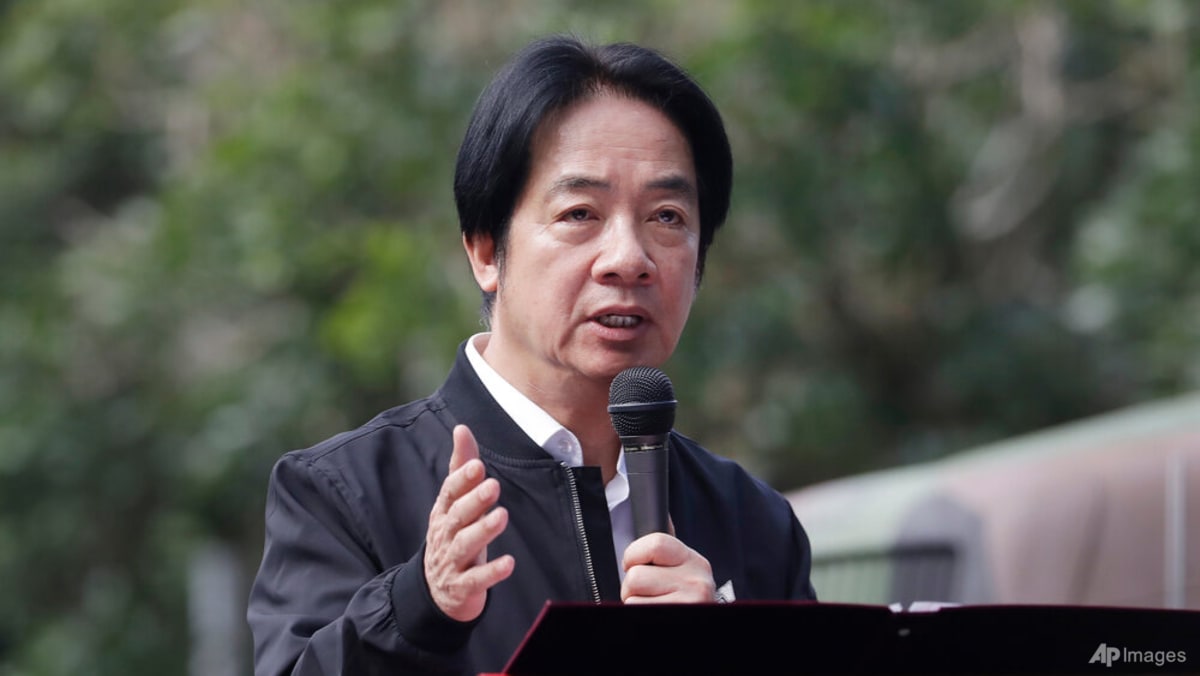
In a significant move for Taiwan's international relations, President Lai Ching-te arrived in Eswatini on Saturday, May 2. This visit marks a pivotal moment as it underscores Taiwan's commitment to maintaining its diplomatic presence in Africa, particularly in light of growing pressure from China. The trip was originally scheduled for earlier in the year but was postponed due to objections from China, which views Taiwan as a breakaway province rather than an independent nation.
The Context of Taiwan's Diplomatic Landscape
Taiwan has long faced challenges in securing and maintaining diplomatic relations, particularly as China has increased its efforts to isolate the island on the global stage. The People's Republic of China (PRC) exerts considerable influence over countries, particularly in Africa, where it has invested heavily in infrastructure and development projects. As a result, many nations have opted to recognize the PRC over Taiwan, diminishing Taipei's formal diplomatic ties. Currently, Eswatini stands as Taiwan's only ally on the African continent, making this visit particularly significant.
Eswatini: A Strategic Ally for Taiwan
Eswatini, a small landlocked kingdom, has maintained its relationship with Taiwan since the 1960s, a decision that has allowed it to receive financial and developmental assistance from Taipei. The Taiwanese government has invested in various sectors within Eswatini, including healthcare, education, and agriculture. This cooperation not only fosters goodwill between the two nations but also serves as a critical lifeline for Eswatini, which faces economic challenges and seeks to diversify its partnerships.
Economic Implications of the Visit
President Lai's visit is expected to result in the signing of several cooperation agreements aimed at bolstering economic ties. These agreements could include initiatives in agriculture, technology, and health care—areas where Taiwan has demonstrated expertise. By enhancing economic cooperation, both nations hope to strengthen their bilateral relationship and create sustainable growth opportunities that can benefit the people of Eswatini.
China's Response and Global Reactions
The Chinese government has consistently condemned Taiwan's attempts to engage with other nations, and this visit is no exception. Following the announcement of Lai's trip, Chinese officials reiterated their stance on Taiwan's status, cautioning other countries against recognizing Taiwan as a sovereign entity. The reaction from the global community has been mixed, with some nations expressing support for Taiwan's right to engage diplomatically while others tread cautiously to avoid confrontation with China.
The Role of International Relations in Economic Development
The dynamics of international relations play a crucial role in shaping economic development strategies for smaller nations like Eswatini. As countries navigate their partnerships, the influence of larger powers, such as China, can significantly impact their economic trajectories. Eswatini's ongoing relationship with Taiwan may provide an alternative to reliance on Chinese investment, allowing for greater flexibility in its foreign policy and economic planning.
Potential Benefits for Taiwan
For Taiwan, the visit to Eswatini is not only about reinforcing diplomatic ties but also serves as a platform to showcase its achievements on the international stage. By engaging with Eswatini, Taiwan can highlight its contributions to development, healthcare, and education, thereby enhancing its global image and countering negative narratives propagated by China. Furthermore, successful cooperation with Eswatini may encourage other nations to reconsider their stance on diplomatic relations with Taiwan.
Challenges Ahead for Taiwan and Eswatini
Despite the potential benefits, both Taiwan and Eswatini face significant challenges ahead. For Taiwan, the ongoing pressure from China remains a constant threat to its international standing. As Beijing continues to expand its influence, smaller nations may find it increasingly difficult to maintain relationships with Taipei. Similarly, Eswatini must navigate its economic development while balancing the implications of its diplomatic ties with Taiwan against the backdrop of Chinese investment in the region.
Conclusion: A Delicate Balance in International Relations
President Lai Ching-te's visit to Eswatini signifies a crucial moment for Taiwan as it seeks to reinforce its diplomatic presence in Africa amidst increasing Chinese influence. The relationship between Taiwan and Eswatini demonstrates the delicate balance that smaller nations must maintain in an increasingly polarized global environment. As both countries move forward, their partnership may serve as a model for other nations grappling with similar challenges in international relations and economic development.