


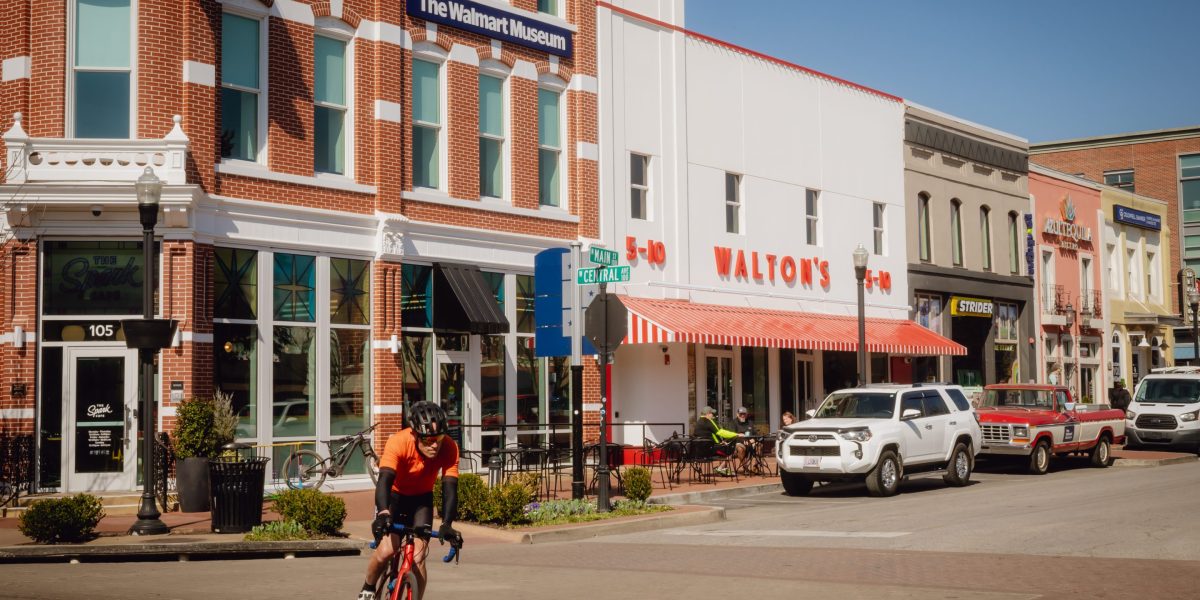
The Transformation of Bentonville: A New Era Under Walton Influence
Bentonville, Arkansas, once a modest town with a population of just over 50,000, has undergone a remarkable transformation in recent years, largely due to the influence of the Walton family, heirs to the Walmart fortune. As the largest retailer in the world, Walmart's growth has not only shaped the company’s trajectory but also dramatically altered the landscape of its hometown. The Waltons have invested heavily in local infrastructure, green spaces, and community services, positioning Bentonville as a model for urban development. Initiatives to promote cycling, leisure activities, and public art have turned the town into a bike-friendly paradise, attracting both residents and tourists alike.
The Mixed Blessings of Prosperity
While the improvements have undeniably enhanced the town's amenities, they have also sparked a complex backlash among some residents. Many locals feel a sense of disconnection from the rapid changes, perceiving them as a top-down approach that fails to consider the needs and desires of long-time Bentonville inhabitants. As the Waltons spearhead projects that emphasize upscale living and tourism, the concerns of those who have lived in the area for generations have been overshadowed. This sentiment is compounded by the rising property prices and cost of living, which some residents attribute directly to the Walton family's investments.
Economic Disparities: The Gentrification Debate
The transformation of Bentonville is often framed as a success story, yet it has also led to discussions of gentrification. As new businesses and luxury developments emerge, many locals fear they will be priced out of their own neighborhoods. The influx of wealth has led to a stark contrast between the affluent newcomers and long-standing residents, exacerbating economic disparities. Critics argue that while the Waltons promote a vision of progress, they inadvertently contribute to the displacement of the very community they aim to uplift.
Community Response: Voices of Dissent
Some Bentonville residents have voiced their frustrations through community meetings and social media campaigns. They express concerns that the focus on creating a tourist-friendly environment overlooks the needs of local families and small businesses. Residents have called for more inclusive development strategies that prioritize affordable housing, local business support, and community engagement. This pushback reflects a grassroots effort to reclaim the narrative surrounding Bentonville's transformation, emphasizing the importance of local voices in shaping the future of their town.
The Walton Family's Philanthropy: A Double-Edged Sword
The Walton family's philanthropic efforts, including substantial investments in education and community programs, have garnered significant praise. Initiatives aimed at improving local schools and providing scholarships for students have made a tangible impact. However, some critics argue that these philanthropic endeavors can be perceived as attempts to placate dissent while diverting attention from the broader issues of economic inequality. The complexity of their philanthropic legacy adds another layer to the ongoing debate about their influence in Bentonville.
Balancing Vision and Community Needs
As Bentonville continues to evolve, the challenge lies in balancing the visionary projects championed by the Waltons with the everyday realities faced by local residents. The town's leadership must navigate the delicate terrain of development while ensuring that the voices of those who have long called Bentonville home are heard and respected. Community forums and discussions may serve as crucial platforms for fostering dialogue between the Waltons and residents, potentially leading to more collaborative solutions.
The Role of Local Government: Mediating Interests
Local government plays a significant role in mediating the interests of various stakeholders in Bentonville. City officials have the responsibility of ensuring that development projects align with the needs of the community while also considering the economic benefits that come with increased tourism and investment. Policymakers must strive to create a framework that encourages sustainable growth, emphasizing community input in planning processes. The challenge will be to create a future for Bentonville that honors its past while embracing the opportunities presented by its transformation.
Future Outlook: A Path Forward for Bentonville
As Bentonville stands at a crossroads, the future trajectory of the town will depend on the ability of the Walton family, local government, and residents to collaborate effectively. Striking a balance between development and community needs will require open dialogue, transparency, and a commitment to inclusivity. The ongoing conversations surrounding gentrification and economic disparity will not only shape Bentonville's identity but also set a precedent for other small towns experiencing similar transformations.
Conclusion: A Community in Transition
The Walton family has undeniably left an indelible mark on Bentonville, turning it into a vibrant hub of activity and opportunity. However, the quiet backlash against their influence underscores the importance of acknowledging the voices of long-time residents amidst rapid change. As Bentonville continues to evolve, finding a harmonious path forward will require a concerted effort to engage all stakeholders in the conversation. The future of this once-sleepy town hangs in the balance, poised between the promise of growth and the preservation of its community roots.