


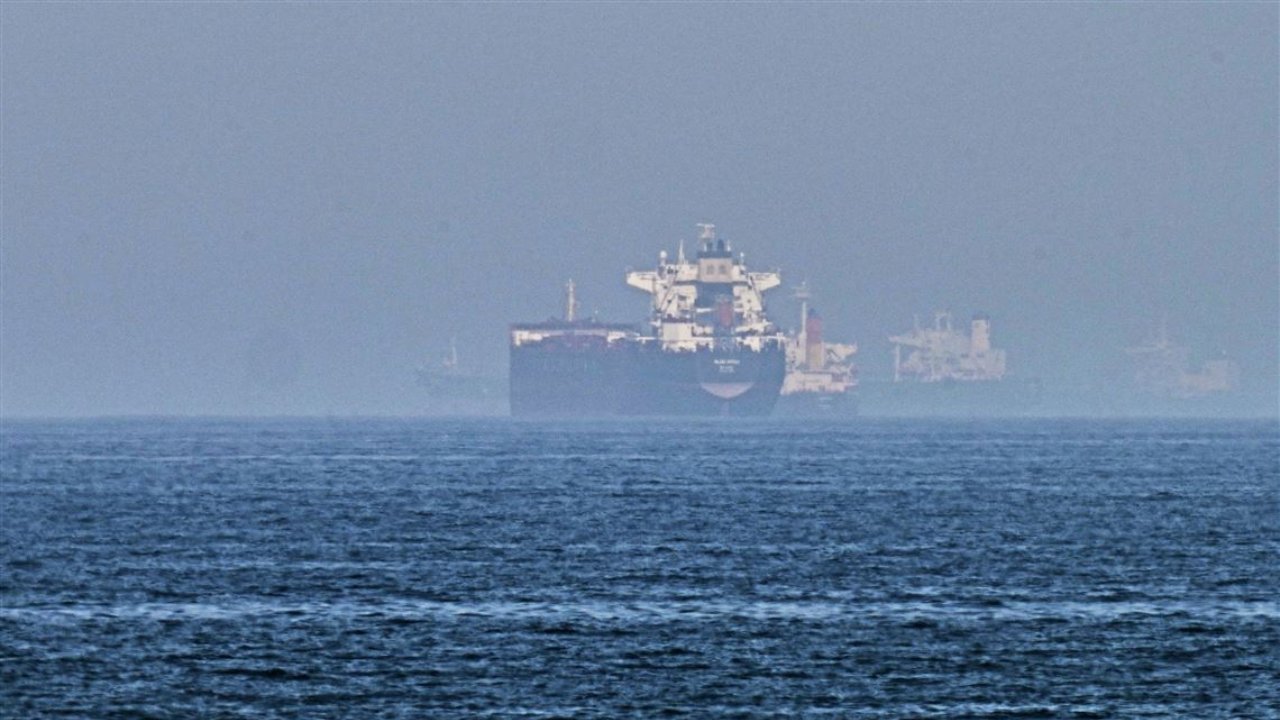
US Imposes New Sanctions Threats on Shipping Companies
In a significant move aimed at tightening economic pressure on Iran, the United States government has issued a stark warning to shipping firms regarding financial transactions with Iranian entities. The U.S. Office of Foreign Assets Control (OFAC) alerted the maritime industry that payments made to Iran for safe passage through the strategically vital Strait of Hormuz could lead to sanctions. This warning comes amid heightened tensions in the region and reflects the U.S. administration's broader strategy to curb Iran's influence and activities.
Strategic Importance of the Strait of Hormuz
The Strait of Hormuz is one of the world’s most critical maritime chokepoints, through which approximately 20% of global oil consumption flows. As geopolitical tensions in the Middle East escalate, the strait has become a focal point for military and economic maneuvers. The U.S. concerns are rooted in the belief that facilitating payments to Iran could bolster its regime and enable activities that threaten regional stability. In light of this, shipping companies are being urged to exercise caution and reconsider their operational strategies in the region.
Impact on Global Shipping and Trade
The implications of this warning are significant for global shipping and trade. The potential for sanctions may deter companies from conducting business in the region, leading to increased shipping costs and delays. Analysts predict that such a shift could result in a recalibration of shipping routes and insurance premiums, particularly for vessels operating in the Gulf region. Additionally, companies could face legal and financial repercussions if they inadvertently engage with Iranian entities, further complicating maritime operations.
Reactions from the Shipping Industry
Industry stakeholders have expressed concern over the U.S. warning, highlighting the potential ramifications for global supply chains. Shipping associations have called for clarity in the regulations and urged the U.S. government to provide guidance on how firms can navigate the complexities of compliance. Some companies are already reevaluating their risk assessments and considering alternative routes to avoid potential sanctions, which could ultimately lead to increased operational costs and logistical challenges.
US-Iran Relations: A Complicated Landscape
The strained relationship between the U.S. and Iran has been characterized by a series of sanctions and diplomatic confrontations. The current warning is part of a broader strategy to counter Iran’s influence in the region, especially amid ongoing concerns regarding its nuclear program and support for proxy groups. The U.S. administration’s approach seeks to isolate Iran economically, and this latest move is a clear indication of its commitment to that goal.
Potential for Escalation in Maritime Conflicts
The warning against shipping firms also raises concerns about the potential for increased maritime conflicts in the Gulf. The U.S. has maintained a visible military presence in the region to ensure the free flow of trade and to deter aggressive actions from Iran. However, the threat of sanctions may lead to heightened tensions between the U.S. Navy and Iranian forces, which could result in confrontations at sea. Shipping companies must remain vigilant as the situation evolves, balancing operational needs with compliance risks.
Financial Implications for Shipping Firms
The financial ramifications of the U.S. warning are multifaceted. Shipping companies that continue to engage with Iran may face not only the risk of sanctions but also potential reputational damage. Investors may react negatively to firms perceived as non-compliant, impacting stock prices and shareholder value. Additionally, the increased costs associated with navigating the complexities of compliance could squeeze profit margins, particularly for smaller shipping firms that may lack the resources to manage these risks effectively.
Insurance and Risk Management Challenges
Insurance companies are also grappling with the implications of the U.S. warning. Underwriters may tighten their criteria for covering vessels operating in the region, leading to higher premiums for shipping firms. The uncertainty surrounding compliance with U.S. sanctions can complicate the underwriting process, as insurers seek to mitigate their exposure to potential liabilities. As a result, shipping companies may face a dual challenge: managing operational risks while also navigating a more stringent insurance landscape.
Long-term Outlook and Industry Adaptation
As the geopolitical landscape continues to evolve, shipping firms will need to adapt to the changing regulatory environment. Companies may need to invest in compliance infrastructure and risk management frameworks to ensure they can navigate the complexities of international trade in a politically charged atmosphere. Furthermore, the industry may witness a shift towards greater collaboration and information sharing among maritime stakeholders to enhance collective understanding of compliance requirements.
Conclusion: Navigating Uncertainty in Maritime Trade
The U.S. warning to shipping firms regarding payments to Iran underscores the intricate relationship between geopolitics and global trade. As tensions in the Strait of Hormuz remain high, the shipping industry faces a challenging landscape marked by regulatory uncertainty and heightened risks. Companies will need to balance operational needs with compliance obligations, all while adapting to a dynamic geopolitical environment. The coming months will be critical in determining how shipping firms navigate these challenges and whether they can maintain the delicate balance of ensuring safe passage through one of the world’s most vital maritime corridors.