


Introduction to the Funding Crisis for 911 Dispatch Systems
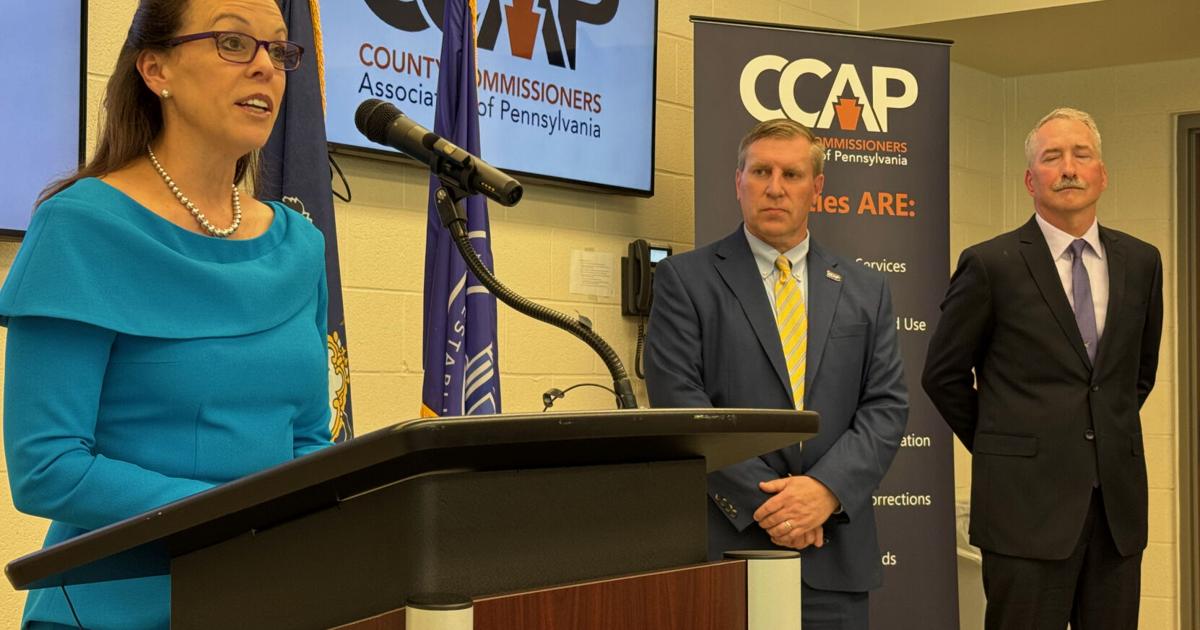
In a significant move aimed at enhancing public safety, county commissioners across Pennsylvania convened on Monday to urge state lawmakers and the governor to increase funding for 911 emergency response systems. As the demand for reliable emergency services continues to rise, local officials are grappling with the financial implications of maintaining and upgrading these critical systems. The commissioners emphasized that without state intervention, counties will be forced to allocate more of their tax revenues to cover the escalating costs associated with technology and personnel in 911 dispatch centers.
The Current State of 911 Dispatch Systems
The 911 dispatch systems in Pennsylvania are facing a myriad of challenges, including outdated technology, increased call volumes, and staffing shortages. As emergency response becomes more complex, the need for modernized equipment and trained personnel has never been greater. Many counties are struggling to keep pace with technological advancements, which can include everything from advanced call-routing systems to enhanced communication tools that aid in crisis management. The commissioners argue that these upgrades are essential not only for operational efficiency but also for ensuring the safety of the public.
Rising Costs and Financial Constraints
County commissioners highlighted that the financial burden of maintaining and upgrading 911 dispatch systems is becoming unsustainable. With rising costs associated with new technology and personnel, many counties are finding it increasingly difficult to balance their budgets. The commissioners pointed out that while local taxes can cover some of these expenses, they are not a long-term solution. They called on the state government to take a more active role in funding these essential services to alleviate the pressure on local taxpayers.
The Impact of Technology on Emergency Response
As technology evolves, so too do the expectations of the public regarding emergency response services. The integration of advanced technologies, such as Geographic Information Systems (GIS) and automated dispatch software, has the potential to transform the efficiency of 911 systems. However, the initial investment required for these upgrades can be substantial. County officials are advocating for state funding to help bridge the gap, arguing that the return on investment in improved emergency response capabilities will ultimately benefit communities across Pennsylvania.
Public Safety as a Legislative Priority
The call for increased funding comes at a time when public safety is a top priority for many legislators. With rising concerns over crime rates and emergency response times, the pressure is mounting on lawmakers to act. By enhancing funding for 911 dispatch systems, legislators can demonstrate their commitment to protecting constituents and ensuring that emergency services are both efficient and effective. The commissioners' appeal is not just about dollars and cents; it is fundamentally about the safety and well-being of the communities they serve.
Challenges in Legislative Advocacy
While the commissioners' plea for increased funding is timely, they face significant challenges in convincing lawmakers to allocate additional resources. The state budget process is complex, and competing priorities often make it difficult to secure funding for specific initiatives. Moreover, with the ongoing financial strain exacerbated by the COVID-19 pandemic, many lawmakers are hesitant to commit to new expenditures without a clear funding source. This creates a challenging environment for county officials who are advocating for essential services.
Potential Solutions and Collaborative Efforts
To address the funding crisis, county commissioners are exploring various solutions, including collaborative efforts between counties to share resources and expertise. By pooling their resources, counties can potentially negotiate better rates for technology upgrades and training programs. Additionally, some commissioners are advocating for the establishment of a dedicated state fund specifically for 911 dispatch systems, which could provide a more stable funding source for counties in need.
The Role of Public Awareness and Advocacy
Public awareness plays a critical role in the success of the commissioners' advocacy efforts. Engaging the community in discussions about the importance of robust 911 systems can help build support for funding initiatives. By educating the public on the challenges faced by dispatch centers, commissioners can foster a sense of urgency that may translate into political pressure on lawmakers. Grassroots campaigns and public forums could serve as platforms to amplify these messages and encourage greater civic involvement.
Looking Ahead: The Future of 911 Systems in Pennsylvania
The future of 911 dispatch systems in Pennsylvania hinges on the ability of county commissioners to effectively communicate their needs to state lawmakers. As the pressure mounts for increased funding, it is crucial for local officials to present a united front and advocate for the resources necessary to modernize these essential services. With the right funding and support, Pennsylvania can ensure that its emergency response systems remain capable of meeting the demands of the public.
Conclusion: A Call to Action for Lawmakers
The meeting held by county commissioners on Monday serves as a critical reminder of the challenges facing 911 dispatch systems in Pennsylvania. As local governments grapple with rising costs and evolving technology, the need for state support has never been more urgent. Lawmakers are called upon to recognize the importance of these systems in safeguarding communities and to take proactive steps towards securing the necessary funding. The safety and well-being of Pennsylvania residents depend on a swift and decisive response to this pressing issue.