


Introduction: A Sudden Departure from the Skies
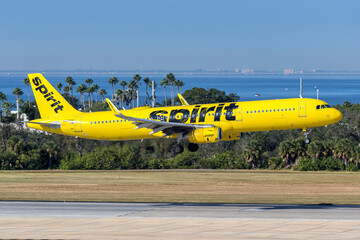
The landscape of the airline industry is witnessing a seismic shift as Spirit Airlines, a low-cost carrier known for its no-frills service, has announced its immediate cessation of operations. This unexpected move marks a significant moment not only for the airline but also for the broader context of the U.S. economy, which has been grappling with the ramifications of inflation, global conflicts, and changing consumer behavior. The airline's abrupt exit raises questions about the sustainability of budget airlines and the overall health of the aviation sector amidst ongoing economic challenges.
Economic Context: The Impact of Inflation and Conflict
The U.S. economy has been under significant strain in recent years, exacerbated by persistent inflation and geopolitical tensions. Rising fuel prices, labor shortages, and increased operational costs have created a challenging environment for airlines, particularly for those operating on thin margins like Spirit. The airline industry, which is often seen as a bellwether for economic health, is now reflecting the broader struggles faced by consumers and businesses alike.
Inflation, which surged to multi-decade highs in recent years, has eroded consumer purchasing power, leading to shifts in spending habits. As households prioritize essential expenditures, discretionary travel has suffered. Spirit Airlines, heavily reliant on leisure travel, may have been particularly vulnerable to these changes. The ongoing conflicts in various parts of the world have also contributed to rising costs and uncertainty, further complicating the operational landscape for airlines.
Spirit Airlines: A Brief Overview
Founded in 1980, Spirit Airlines carved a niche for itself as a low-cost carrier that offered budget-friendly fares with a no-frills approach. Its business model focused on attracting price-sensitive travelers, and it quickly became a popular choice for those seeking to save on airfare. However, the airline's reliance on ancillary fees for additional services has often drawn criticism from consumers and regulators alike.
Despite its growth over the decades, Spirit Airlines faced numerous challenges, including competition from both traditional carriers and other budget airlines. Its operational model, while appealing to cost-conscious travelers, has come under scrutiny during times of economic turbulence. The airline's decision to cease operations raises questions about the viability of similar business models in an increasingly competitive and uncertain market.
Immediate Consequences for Employees and Travelers
The immediate impact of Spirit Airlines' closure is profound, particularly for its employees and customers. With the airline halting all operations effective immediately, thousands of employees are left without jobs. The suddenness of the announcement leaves little room for transition, leading to uncertainty for workers who relied on the airline for their livelihoods. The aviation sector has been particularly hard-hit by job losses during the pandemic, and this latest development adds to the ongoing challenges faced by those seeking employment in the industry.
Travelers who had booked flights with Spirit Airlines now find themselves in a precarious situation. Many may be scrambling to find alternative travel arrangements, often at inflated prices due to last-minute bookings. The lack of a formal transition plan for customers adds to the frustration, as they navigate refund processes or seek to book seats on competing airlines that may not have the capacity to accommodate the sudden influx of travelers.
Market Reactions: Investor Sentiment and Industry Implications
The announcement of Spirit Airlines' closure has sent shockwaves through the airline industry, prompting immediate reactions from investors and analysts. Shares of competing airlines experienced fluctuations as market participants assessed the implications of Spirit's exit on the competitive landscape. Some analysts speculate that the closure could provide an opportunity for other carriers to absorb Spirit's market share, particularly in key routes where the airline was a dominant player.
However, the broader implications of Spirit's departure extend beyond immediate market reactions. Industry experts are closely monitoring how this event could influence pricing strategies among remaining carriers and whether it may lead to further consolidation within the airline sector. As airlines navigate the challenges of a post-pandemic world, Spirit's exit serves as a stark reminder of the vulnerabilities that persist in the aviation market.
Future of Budget Airlines: Lessons from Spirit's Closure
The closure of Spirit Airlines raises critical questions about the future of budget airlines in the U.S. market. While low-cost carriers have thrived in recent years, particularly during periods of economic recovery, the current economic climate poses significant challenges. Airlines that rely heavily on ancillary revenues and operate with minimal profit margins may find it increasingly difficult to sustain their business models in an environment marked by rising costs and shifting consumer preferences.
As the industry reevaluates its strategies, there may be a push toward greater transparency in pricing and service offerings. Consumers are becoming more discerning, and airlines may need to adapt to changing expectations regarding customer service and value. The lessons learned from Spirit's closure could prompt other budget carriers to reassess their operational practices and explore ways to enhance their resilience in the face of economic uncertainties.
Conclusion: A Cautionary Tale for the Airline Industry
The abrupt closure of Spirit Airlines serves as a cautionary tale for the airline industry, highlighting the vulnerabilities that exist within a sector heavily influenced by external factors. As the U.S. economy continues to grapple with inflation and geopolitical tensions, the aviation market will need to adapt to ensure its sustainability. The challenges faced by Spirit Airlines may resonate with other carriers, prompting a reevaluation of business models and strategies moving forward.
As consumers navigate the evolving landscape of air travel, the fallout from Spirit's closure will likely reverberate throughout the industry for months to come. Airlines must remain vigilant in addressing the challenges posed by economic fluctuations while striving to meet the demands of an increasingly discerning traveler base. The future of budget airlines may depend on their ability to innovate and adapt in a rapidly changing environment, ensuring they can weather the storms that lie ahead.