


Introduction: The Budgetary Tug-of-War
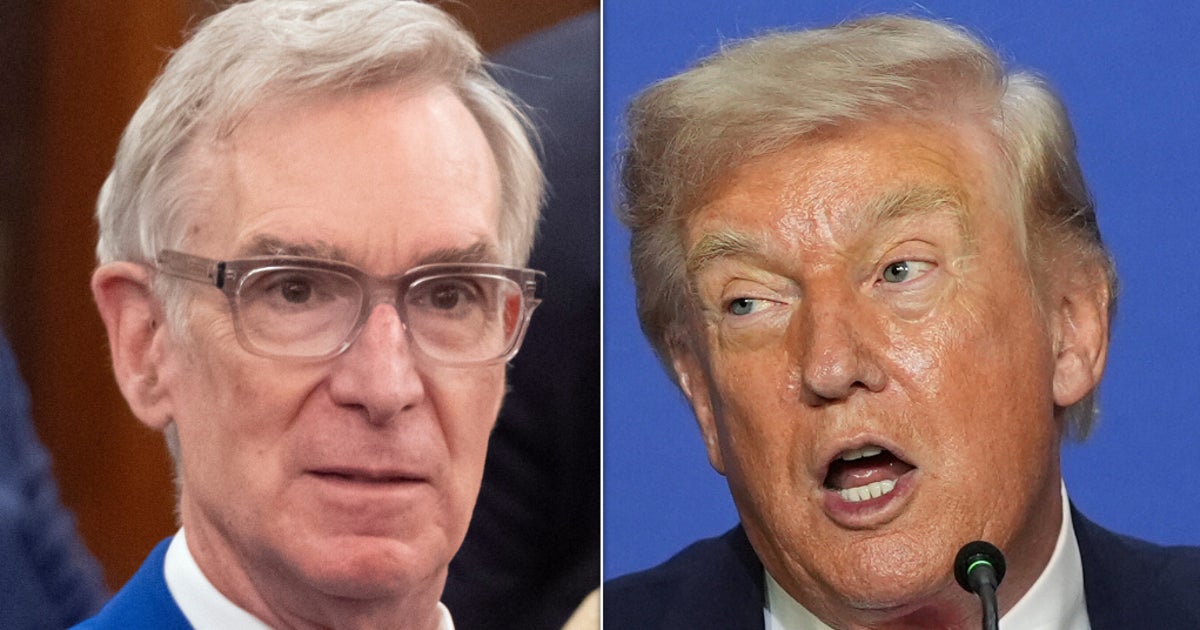
In a recent public statement, Bill Nye, the prominent science communicator and advocate for scientific literacy, expressed his concerns regarding the Trump administration's proposed budget cuts to NASA. The potential reductions, according to Nye, could have far-reaching implications for the agency's ability to conduct vital research and exploration missions. As the debate over federal funding for science continues, the intersection of politics and public policy has drawn significant attention from both supporters and critics of the proposed budget.
Nye’s Perspective: The Importance of NASA Funding
Bill Nye's critique centers around the fundamental role that NASA plays in advancing scientific knowledge and innovation. He argues that the proposed cuts could undermine crucial programs that facilitate the United States' leadership in space exploration and research. Nye emphasizes that NASA's work is not only a matter of national pride but also a catalyst for economic growth and technological advancement. He points to the agency's contributions to fields such as climate science, telecommunications, and materials engineering, showcasing the wide-ranging benefits of a well-funded NASA.
Potential Economic Impact of NASA Budget Cuts
The proposed budget cuts to NASA could have significant implications for the American economy. With a budget that has historically supported thousands of jobs in engineering, research, and technology, any reduction in funding could lead to layoffs and a slowdown in innovation. Analysts predict that decreased investment in space exploration could hinder the development of new technologies that often have applications beyond their initial purpose. As private sector companies increasingly look to collaborate with NASA, cuts to the agency's budget could stifle partnerships that drive economic growth.
Political Ramifications: A Divided Congress
The proposal to cut NASA's funding is unfolding against a backdrop of political division within Congress. While some lawmakers support the proposed reductions as part of a broader effort to trim government spending, others argue that investing in NASA is critical for maintaining the United States' competitive edge in global science and technology. This divide reflects broader ideological differences regarding the role of government in funding scientific research and innovation. As debates continue, the outcome will likely hinge on negotiations between the White House and Congressional leaders.
The Broader Implications for Science and Technology
Nye's warnings extend beyond NASA itself, highlighting a potential trend of diminishing support for scientific research across federal agencies. With many scientific fields reliant on government funding, cuts to NASA could set a precedent that affects budgets for other key scientific agencies such as the National Science Foundation (NSF) and the National Institutes of Health (NIH). This cascading effect could lead to a broader decline in research and development investments in the United States, ultimately impacting the nation's ability to innovate in a rapidly changing global marketplace.
Public Sentiment: The Role of Citizen Advocacy
The public response to the proposed cuts has been notably vocal, with various advocacy groups mobilizing to protect NASA’s funding. Citizens have taken to social media, organized rallies, and engaged in direct advocacy to express their support for the agency. Nye's position as a public figure has amplified these sentiments, as many view him as a trusted voice in the science community. The grassroots efforts reflect a growing recognition among the public of the importance of scientific research and the need for sustained investment in the future of space exploration.
The Future of NASA: Navigating Uncertain Waters
As the debate over budget cuts continues, NASA faces an uncertain future. The agency has ambitious plans for human spaceflight, Mars exploration, and lunar missions, all of which require substantial funding. Nye's warnings serve as a reminder that the decisions made today will shape the trajectory of space exploration for years to come. Industry experts suggest that the agency must engage in strategic planning to prioritize projects that can continue with limited resources while advocating for increased funding from Congress.
Global Competitiveness: The Race for Space
The implications of NASA's budget cuts extend beyond U.S. borders, as other countries ramp up their space programs. Nations such as China and India have made significant strides in space exploration, raising concerns about the United States falling behind in the global race for technological supremacy. Nye argues that maintaining robust funding for NASA is essential not only for national interests but also for international collaboration in scientific research. The potential for joint missions and shared knowledge is at risk if funding becomes a contentious issue.
Conclusion: A Call to Action
Bill Nye's recent statements regarding the proposed NASA budget cuts highlight the critical intersection of science, policy, and economic impact. As discussions continue within Congress and among the public, the importance of advocacy for scientific funding cannot be overstated. Nye's call for a renewed commitment to NASA reflects a broader need for society to recognize the value of scientific inquiry and exploration. The outcome of this budgetary debate will not only determine the future of NASA but will also shape the landscape of American innovation and global leadership in science and technology.