


Smaller Deficit Figures Amid Increased Spending
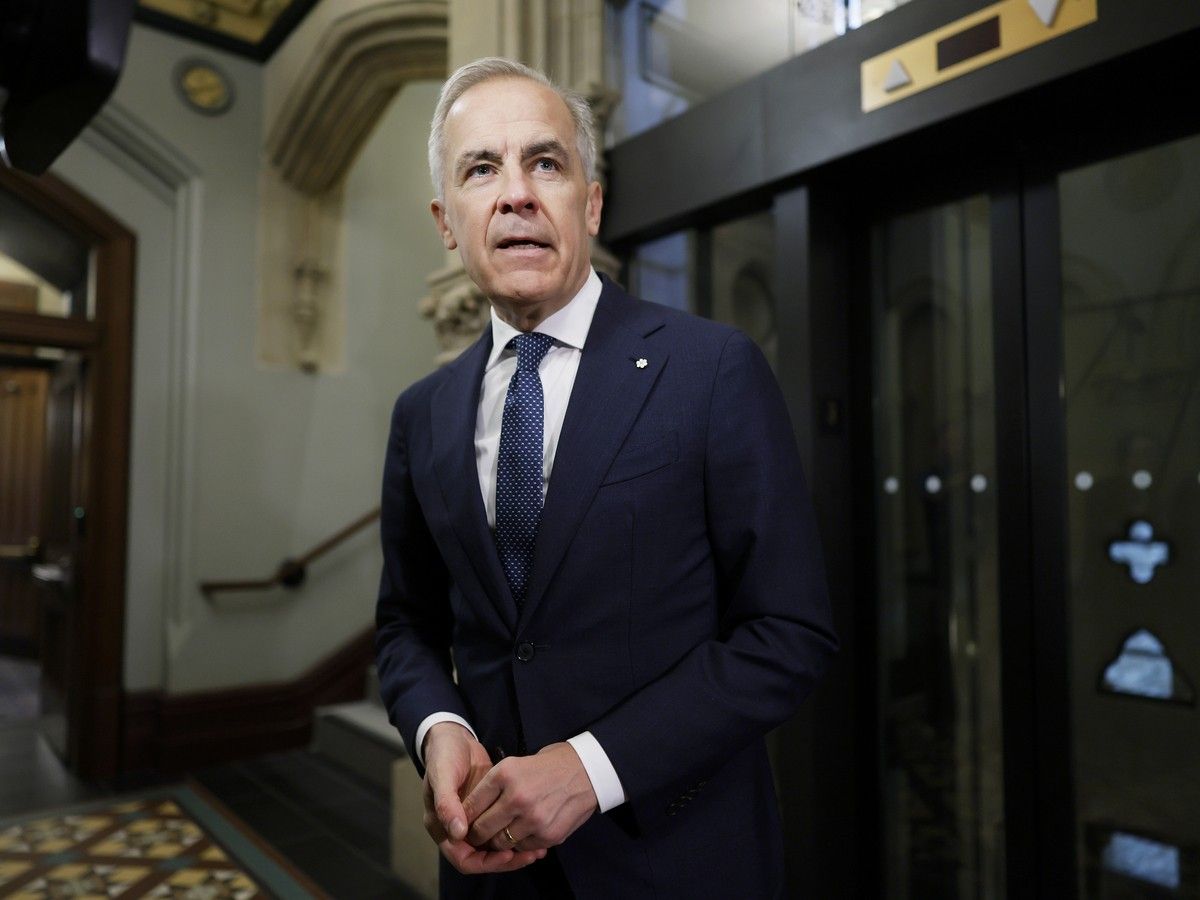
The latest fiscal update from Prime Minister Mark Carney has revealed a federal deficit of $66.9 billion for the year that just ended, a figure that is notably smaller than previously anticipated. Analysts had projected a deficit larger than this amount, prompting discussions about the implications for the nation's economic health and fiscal strategy. Despite the positive news surrounding the deficit, the report also highlights an additional $37.5 billion in government spending, raising questions about the sustainability of such fiscal measures.
Understanding the Deficit Dynamics
The reported deficit of $66.9 billion is a reflection of various economic factors, including revenue collection and expenditure patterns. The government had originally forecasted a more substantial deficit, leading to a sense of cautious optimism among policymakers and investors alike. This smaller-than-expected figure suggests that the government's revenue streams may have performed better than anticipated, potentially due to stronger-than-expected economic activity and tax collections.
However, the additional spending of $37.5 billion cannot be overlooked. This expenditure, which was not included in earlier forecasts, could complicate the fiscal landscape moving forward. Analysts are now tasked with reconciling the positive news of a smaller deficit with the implications of increased spending on future budgets and economic stability.
Impact on Economic Growth and Inflation
Increased government spending can play a dual role in the economy. On one hand, it can stimulate growth by funding essential services and infrastructure, potentially leading to job creation and increased consumer spending. On the other hand, excessive spending may contribute to inflationary pressures, especially in a post-pandemic economic environment where supply chains are still recovering.
Economists are closely monitoring the potential inflationary effects of this additional spending. As the government injects more capital into the economy, the risk of overheating increases, particularly in sectors that are already experiencing supply chain constraints. The balance between stimulating growth and controlling inflation will be a critical focus for policymakers in the coming months.
Market Reactions and Investor Sentiment
The financial markets reacted cautiously to the news of a smaller deficit coupled with increased spending. Investors are keenly aware that while a reduced deficit may improve fiscal credibility, the additional spending could lead to increased borrowing and higher interest rates in the future. This dynamic creates a complex environment for investment decisions, particularly in fixed income markets.
Stock markets have shown resilience amid these developments, reflecting a broader trend of investor confidence in economic recovery. However, analysts caution that sustained market optimism will depend on how effectively the government manages its fiscal policies in light of this new spending. Investors are particularly interested in any signals from the central bank regarding interest rates and monetary policy adjustments as a response to these fiscal changes.
Political Ramifications and Future Budgeting
The fiscal update has also reignited political discussions surrounding budgetary priorities and fiscal responsibility. Critics of the government may seize upon the $37.5 billion in additional spending as evidence of mismanagement or a lack of fiscal discipline. Proponents, however, argue that such investments are necessary to support recovery and long-term growth.
As the government prepares for future budgets, the challenge will be to balance the need for fiscal prudence with the imperative of supporting economic growth. The upcoming budget discussions will likely focus on how to allocate resources effectively while addressing public concerns about debt levels and potential tax increases.
Long-term Fiscal Outlook
The long-term fiscal outlook remains a critical concern for economists and policymakers. While the smaller deficit is a positive sign, the additional spending introduces uncertainties regarding future fiscal health. The government will need to demonstrate a commitment to sustainable budgeting practices that do not compromise economic stability.
Analysts suggest that the government should focus on creating a fiscal framework that promotes transparency and accountability in spending. This may include setting clear targets for deficit reduction while also prioritizing investments that yield long-term economic benefits. The balance between short-term stimulus and long-term fiscal health will be a central theme in the ongoing budgetary discourse.
Conclusion: Navigating a Complex Fiscal Landscape
The federal deficit report presents a mixed picture for the Canadian economy. While the smaller-than-expected deficit offers a glimmer of hope for fiscal management, the accompanying increase in spending raises valid concerns about future economic stability and inflation. As the government navigates this complex fiscal landscape, it will be essential to adopt strategies that foster economic growth without compromising fiscal responsibility.
Investors, policymakers, and citizens alike will be watching closely as the government outlines its approach to managing these challenges in the upcoming fiscal year. The decisions made now will have lasting implications for the nation's economic trajectory and overall financial health.