


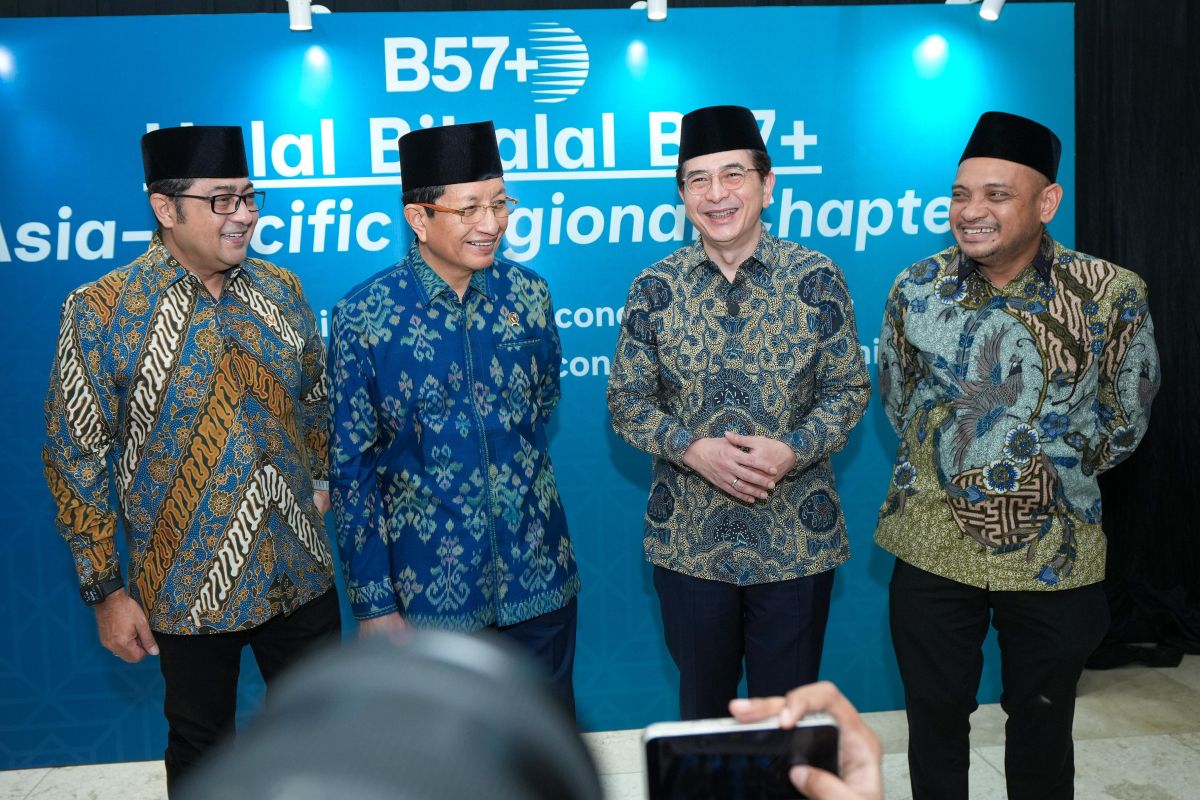
Indonesia's Strategic Vision for the Halal Economy
As the world's largest Muslim-majority nation, Indonesia is poised to leverage its demographic advantage to emerge as a leader in the global halal economy. The Indonesian government, in partnership with the B57+ Asia Pacific Regional Chapter, has initiated a series of strategic measures aimed at enhancing the country’s position within this burgeoning sector. With a population of over 270 million, a significant portion of whom adhere to Islamic principles, Indonesia is uniquely situated to capitalize on the growing demand for halal products and services worldwide.
Growth Potential of the Global Halal Market
The global halal market has seen exponential growth in recent years, driven by increasing consumer awareness and demand for products that align with Islamic dietary laws. Recent estimates suggest that the halal economy could represent over $3 trillion in global consumer spending by 2024, encompassing not only food and beverages but also pharmaceuticals, cosmetics, and fashion. Indonesia’s commitment to becoming a key player in this market reflects a strategic acknowledgment of its potential economic impact.
Government Initiatives to Foster Halal Certification
To facilitate its ambitions, the Indonesian government has introduced a comprehensive framework for halal certification. This framework aims to streamline the certification process for businesses, ensuring that products meet the necessary halal standards while also promoting transparency and consumer trust. By 2024, it is anticipated that all food products sold in Indonesia will require halal certification, positioning the country as a benchmark for halal standards globally.
Investment in Infrastructure and Technology
Recognizing the importance of infrastructure and technology in supporting the halal economy, Indonesia is investing in logistics and supply chain capabilities. This includes enhancing cold storage facilities, improving transportation networks, and adopting advanced technologies in food processing and safety. These investments not only aim to ensure the integrity of halal products but also to bolster Indonesia’s competitiveness in the global market.
Collaboration with the B57+ Asia Pacific Regional Chapter
The collaboration with the B57+ Asia Pacific Regional Chapter is pivotal in Indonesia’s strategy to enhance its role in the halal economy. This partnership aims to foster regional cooperation among member countries, sharing best practices and aligning halal standards across borders. Such collaboration is essential for creating a cohesive and robust halal market in the Asia-Pacific region, which is home to a significant portion of the Muslim population.
Promoting Halal Tourism as an Economic Driver
In addition to products, Indonesia is also focusing on the halal tourism sector, which presents another avenue for economic growth. With its rich cultural heritage and diverse attractions, the country has the potential to become a leading destination for halal tourism. Efforts are underway to develop halal-friendly accommodations, dining options, and travel packages that cater to Muslim travelers, thereby enhancing the overall visitor experience while promoting local businesses.
Challenges and Opportunities Ahead
While the prospects for Indonesia's leadership in the halal economy are promising, several challenges remain. Ensuring consistent quality and compliance with halal standards across a diverse range of industries presents a significant hurdle. Additionally, competition from other nations that are also vying for a share of the global halal market, such as Malaysia and Turkey, necessitates a proactive approach from Indonesia.
Private Sector Engagement and Investment
The involvement of the private sector is crucial in realizing Indonesia's vision for the halal economy. Investors and entrepreneurs are encouraged to explore opportunities within this sector, ranging from food production to logistics and technology services. The government is working to create an attractive investment climate through incentives, regulatory support, and initiatives that promote innovation in halal practices.
Consumer Trends and Market Demand
As global consumers increasingly seek products that reflect their values, the demand for halal goods is expected to rise. This trend is not limited to Muslim consumers; non-Muslim individuals are also drawn to halal products due to perceptions of quality, ethical sourcing, and health benefits. Indonesia’s ability to cater to this diverse consumer base will be instrumental in its success within the halal economy.
International Partnerships and Export Opportunities
To solidify its position in the global halal economy, Indonesia is also pursuing international partnerships aimed at expanding export opportunities. By collaborating with countries that have established halal markets, Indonesia can gain access to new distribution channels and enhance its global presence. This strategy not only facilitates the export of Indonesian halal products but also promotes cultural exchange and mutual understanding.
Future Outlook for Indonesia's Halal Economy
Looking ahead, Indonesia's ambition to lead the global halal economy is supported by a comprehensive strategy that encompasses government initiatives, private sector engagement, and international collaboration. As the country continues to enhance its halal certification processes, invest in infrastructure, and promote halal tourism, it stands to benefit significantly from the anticipated growth in this sector. The combination of a favorable demographic landscape and strategic government support positions Indonesia to not only meet domestic demand but also capture a substantial share of the global halal market.
Conclusion: A Defining Moment for Indonesia
Indonesia's efforts to establish itself as a leader in the global halal economy represent a defining moment for the nation. By harnessing its unique strengths and addressing challenges head-on, Indonesia has the opportunity to shape the future of the halal market on a global scale. As the country navigates this complex landscape, the outcomes of its initiatives will likely have far-reaching implications for its economy, society, and cultural identity.