


Background on the Ballot Seizure Incident
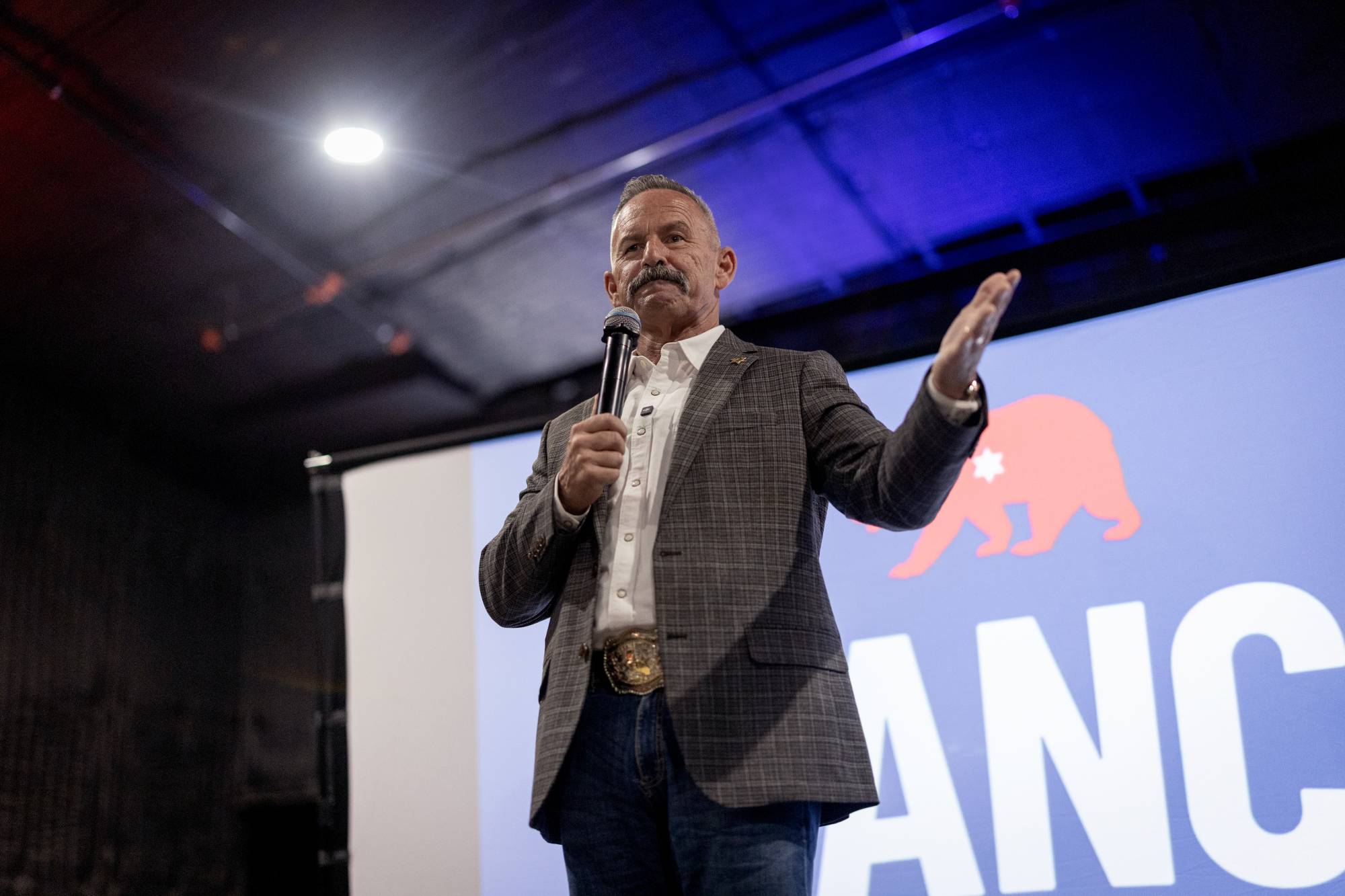
In an unprecedented move, Sheriff Chad Bianco of Riverside County, California, ordered the seizure of 650,000 ballots ahead of the November elections. This decision has raised significant concerns regarding electoral integrity and the potential for disruption in the democratic process. The internal emails released from the sheriff's office reveal that this controversial action was influenced by fringe groups, which have long been associated with conspiracy theories surrounding election fraud.
The Role of Fringe Groups in Law Enforcement Decisions
Internal communications indicate that Sheriff Bianco was swayed by the narratives and claims propagated by these fringe organizations. Their assertions, often lacking substantial evidence, mobilized the sheriff's office to act in a manner that many experts believe undermines public trust in the electoral system. The emails suggest that the sheriff's office engaged with these groups, which have been criticized for their radical views, leading to a decision that could have far-reaching implications for voter confidence.
Legal and Ethical Implications of the Ballot Seizure
The legality of the ballot seizure raises questions about the authority of law enforcement in electoral matters. Experts in election law argue that such actions must be grounded in substantial evidence of wrongdoing and not influenced by external pressure from fringe groups. The situation highlights a potential overreach of law enforcement powers and the ethical considerations surrounding the safeguarding of democratic processes.
Impact on Voter Confidence and Electoral Integrity
The seizure of ballots has prompted concerns over voter confidence, particularly among communities that may feel targeted or disenfranchised. The perception that law enforcement is acting on unfounded claims can discourage voter participation, further complicating an already contentious electoral landscape. Analysts warn that the fallout from this incident could lead to a chilling effect on voter turnout, which is especially critical in a tightly contested election year.
Responses from Political Leaders and Advocacy Groups
Political leaders across the spectrum have expressed outrage at the sheriff's actions, calling for accountability and a thorough investigation. Advocacy groups focused on voting rights have mobilized to challenge the legality of the ballot seizure, arguing that such tactics are reminiscent of past efforts to suppress voter turnout. Their push for transparency aims to ensure that electoral processes remain free from undue influence and intimidation.
Potential Consequences for Sheriff Bianco
The ramifications for Sheriff Bianco could be severe, both legally and politically. Calls for his resignation are growing, and there are discussions about potential investigations into his conduct. Should these inquiries reveal misconduct, Bianco may face significant legal repercussions, including civil lawsuits from voters and advocacy organizations. Politically, his actions could alienate constituents who value the integrity of the electoral process.
The Broader Implications for Law Enforcement and Elections
This incident has sparked a broader discussion about the role of law enforcement in elections. As fringe groups continue to gain traction, the risk of similar situations arising in other jurisdictions increases. Law enforcement agencies must establish clear guidelines on how to engage with outside organizations, particularly those with dubious credibility. Ensuring that law enforcement remains neutral and focused on protecting the electoral process is paramount in maintaining public trust.
Future Outlook: Safeguarding Elections Against Disruption
As the November elections approach, the focus on safeguarding the electoral process will intensify. Election officials and lawmakers are likely to implement measures aimed at preventing similar incidents from occurring in the future. This includes reinforcing the independence of election administration and ensuring that law enforcement agencies are not influenced by external pressures or unfounded claims.
Conclusion: A Call for Vigilance and Accountability
The situation surrounding Sheriff Chad Bianco's ballot seizure serves as a cautionary tale about the intersection of fringe influence and law enforcement in electoral processes. As the country moves closer to the elections, it is crucial for all stakeholders—law enforcement, political leaders, and voters—to remain vigilant against attempts to undermine the democratic process. Accountability for actions that threaten electoral integrity must be prioritized to restore public trust and ensure that democracy prevails.