


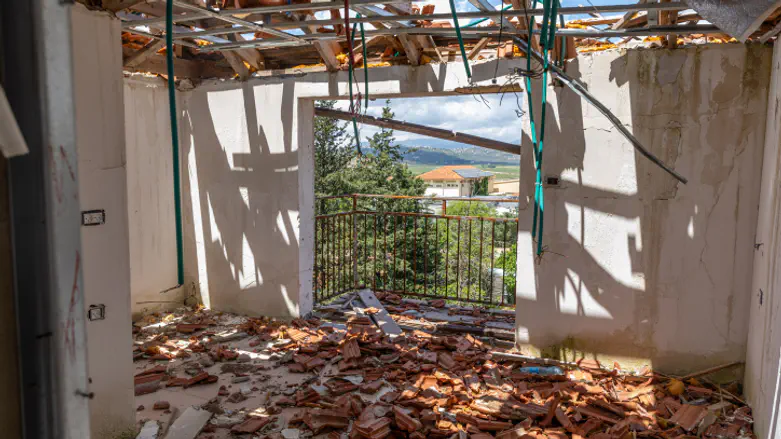
Introduction: The Tensions in Northern Regions
In a climate of rising tensions, northern leaders have expressed their outrage over what they describe as a ‘fake ceasefire’ in the ongoing conflict involving Hezbollah. Despite official declarations aimed at de-escalating violence, communities in northern regions continue to face the repercussions of persistent fire from the militant group. This situation has raised concerns not only for local safety but also for the broader implications on regional stability and economic conditions.
Hezbollah's Continued Aggression: A Threat to Security
In recent weeks, reports have emerged detailing ongoing attacks from Hezbollah, leading many northern leaders to voice their frustrations. The group's actions have not only endangered lives but have also disrupted economic activities in the region. Businesses that rely on stability for operations find themselves in a precarious position, as the fear of violence looms large over their daily activities. The situation has drawn sharp criticism from local officials, who argue that the government has failed to provide adequate protection and support for communities under siege.
Local Leaders Demand Action
Local leaders have taken to public platforms to demand immediate government action in response to the ongoing violence. They argue that the declared ceasefire is ineffective and merely a façade while communities continue to endure daily threats. This sentiment reflects a growing frustration among residents who feel abandoned by the central government. The calls for a more robust response from national authorities underscore the urgent need for a reassessment of security measures in the northern territories.
Economic Impact: Business Under Siege
The ongoing conflict has significant economic implications for the northern regions. Businesses, particularly those in sectors such as retail, tourism, and agriculture, are facing severe disruptions. With the threat of violence affecting consumer confidence, many businesses report a decline in sales and a growing reluctance from investors to engage with the region. The economic fallout is compounded by the rising costs associated with security measures that businesses are forced to implement to protect their assets and employees.
Government Response: Criticism and Accountability
The government's response to the crisis has come under intense scrutiny. Critics argue that the current administration has not only failed to safeguard its citizens but has also been slow to address the root causes of the conflict. The perceived inaction has led to growing discontent among the populace, who are increasingly vocal about their need for tangible solutions. The call for accountability has become a rallying point for local leaders who demand that their voices be heard in the national dialogue surrounding security and governance.
Public Sentiment: A Call for Change
The public sentiment in northern regions is shifting as residents grapple with the realities of living under constant threat. Many are expressing a desire for change, seeking not only immediate security but also long-term solutions to the ongoing conflict. This shift could have significant implications for future elections and political dynamics, as leaders who fail to address these concerns may find themselves facing a backlash from their constituents.
International Implications: The Geopolitical Landscape
The situation in northern regions is not only a local concern but also a matter of international interest. The ongoing conflict involving Hezbollah has the potential to affect regional stability, drawing the attention of foreign governments and international organizations. As leaders call for a reassessment of strategies to address the violence, the geopolitical implications of any proposed solutions could reverberate far beyond the immediate conflict zone.
Future Outlook: Navigating Uncertainty
The path forward for northern regions remains uncertain as leaders and citizens alike grapple with the realities of ongoing violence. The calls for greater government accountability and effective security measures are unlikely to dissipate anytime soon. In the context of a complex geopolitical landscape, the need for comprehensive strategies that address both immediate security concerns and long-term stability is more pressing than ever.
Conclusion: The Road Ahead
As the situation unfolds, it is clear that the issues facing northern regions require urgent attention from both local leaders and the national government. The criticism of a ‘fake ceasefire’ highlights the gap between government proclamations and the lived experiences of citizens. Moving forward, the challenge will be to bridge this gap through effective policies that not only address security concerns but also foster economic resilience in the face of ongoing threats. The future of these communities hinges on their ability to navigate this complex landscape, ensuring that their voices are heard and their needs addressed in a meaningful way.