


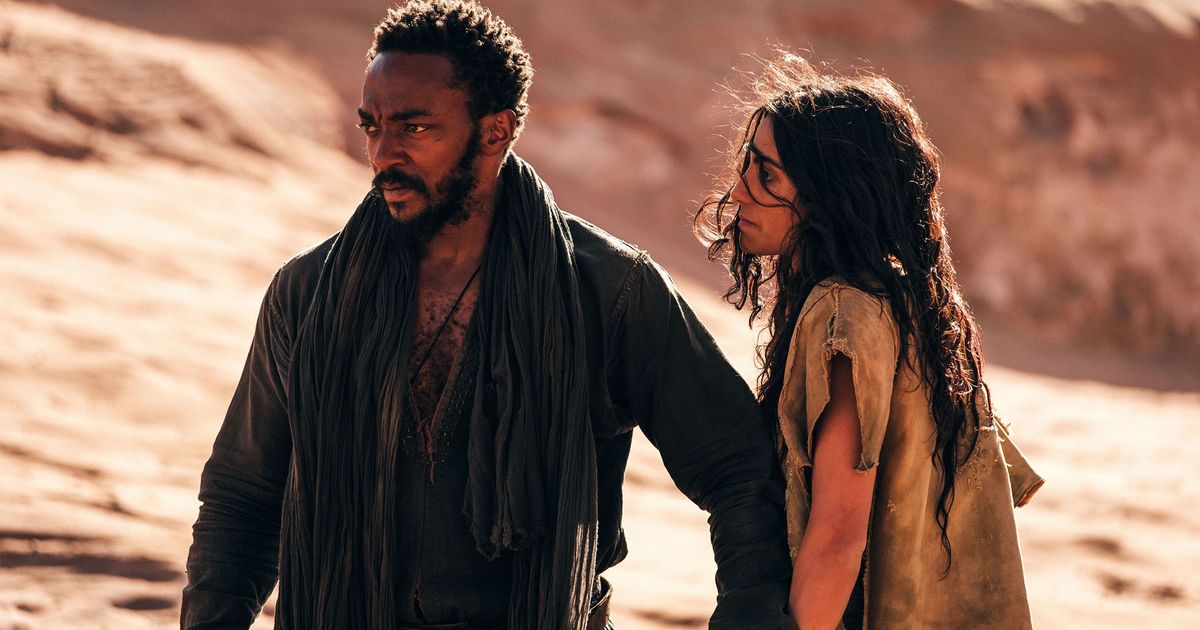
Introduction: The Rise and Fall of 'Desert Warrior'
The film industry is often considered a barometer of cultural sentiment and economic vitality. However, the recent release of 'Desert Warrior', touted as the first Saudi-produced blockbuster, has faced an unexpected backlash in the wake of geopolitical turmoil, specifically the Israel-Hamas conflict. What was once anticipated as a transformative moment for Saudi cinema has turned into a cautionary tale about the fragility of market demand in times of crisis.
Background: Ambitious Beginnings
‘Desert Warrior’ was positioned to be a milestone in Saudi Arabia’s burgeoning entertainment sector, which has seen significant investment as part of the country's Vision 2030 initiative. The film was intended to showcase Saudi talent and storytelling on a global stage, with hopes of attracting both domestic and international audiences. With high production values and a star-studded cast, it was set to be a cultural touchstone for the region.
Production Challenges: A Rocky Road
However, the production journey was fraught with complications. Reports of behind-the-scenes chaos, including budget overruns and shifting creative visions, plagued the film’s development. The initial excitement surrounding the project was dampened by delays and logistical challenges, leading to skepticism about its ultimate success.
Geopolitical Context: The Impact of Conflict
The recent Israel-Hamas war has significantly altered the landscape for media consumption in the Middle East and beyond. In a time of heightened tension and uncertainty, audiences are less inclined to seek out entertainment that does not resonate with their current realities. Instead, viewers may turn to content that reflects their emotions, values, and the prevailing socio-political climate. This shift has left ‘Desert Warrior’ struggling to find its footing in an increasingly volatile market.
Market Dynamics: Audience Sentiment Takes Center Stage
Consumer sentiment plays a crucial role in the success of any film, and ‘Desert Warrior’ appears to have misjudged the mood of its potential audience. The film's themes, set against the backdrop of a conflict-ridden region, may have been perceived as tone-deaf at a time when many are grappling with the harsh realities of war. Instead of drawing viewers into a fantastical world of adventure, it has inadvertently alienated them.
Financial Implications: The Price of a Flop
The financial ramifications of ‘Desert Warrior’ are significant, not just for the production company but for the broader Saudi film industry. With a reported budget exceeding $100 million, the film was expected to generate substantial box office returns. However, early ticket sales indicate a dismal performance, leading to concerns about the viability of future projects. Investors and stakeholders are now reevaluating their strategies and commitments in the entertainment sector.
Comparative Analysis: Lessons from Other Films
Historically, films released during times of conflict or national crisis have often underperformed. For instance, movies that address themes of war or conflict can evoke strong emotional responses, leading to polarized audience reactions. In stark contrast, lighter, escapist films tend to perform better during turbulent times. ‘Desert Warrior’ may have miscalculated its positioning, failing to account for the audience's desire for content that provides respite from current events.
Future of Saudi Cinema: Navigating a New Landscape
As the Saudi film industry navigates the fallout from ‘Desert Warrior’, stakeholders must rethink their approaches to storytelling and audience engagement. The industry is at a crossroads, with the potential to either pivot towards narratives that resonate more deeply with contemporary issues or risk further alienation from its audience. This moment serves as a critical learning opportunity for filmmakers and investors alike.
Investor Sentiment: Cautious Optimism or Retreat?
The disappointing performance of 'Desert Warrior' has raised questions about investor confidence in the Saudi film sector. While some may view this as a moment of reckoning, others may still see the long-term potential of the industry. The successful execution of future projects may hinge on a more profound understanding of audience dynamics and geopolitical contexts. Investors are likely to take a more cautious approach, focusing on projects that align more closely with viewer sentiment.
Conclusion: A Cautionary Tale for Creative Industries
The saga of ‘Desert Warrior’ serves as a reminder of the delicate interplay between art, commerce, and current events. As the film industry grapples with the implications of geopolitical strife, it must also confront the realities of shifting audience expectations. For Saudi Arabia's cinematic ambitions to thrive, a nuanced understanding of market dynamics and cultural context will be essential. The future of the industry may depend on its ability to adapt and respond to a rapidly changing world.