


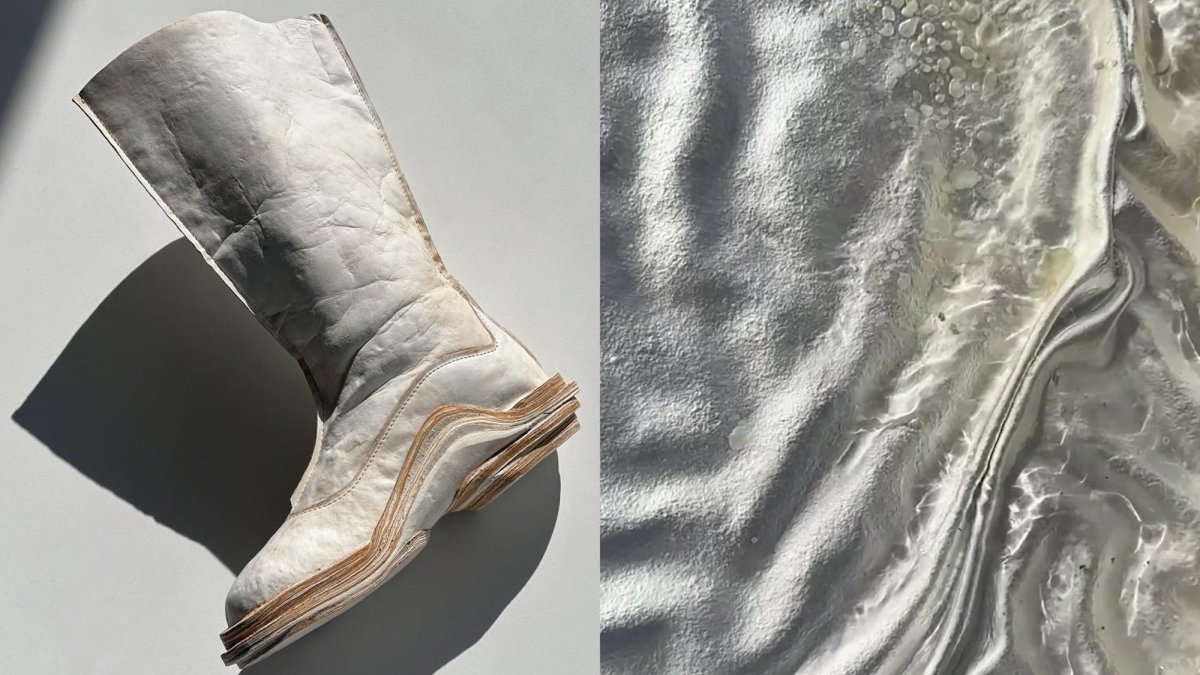
The Environmental Impact of Footwear Waste
As global consumerism continues to rise, the fashion and footwear industries are facing increasing scrutiny regarding their environmental impact. A staggering 95 percent of all shoes produced eventually find their way into landfills, contributing to the growing waste crisis that plagues many urban areas. Traditional footwear manufacturing processes often involve non-biodegradable materials and toxic chemicals, leading to significant ecological damage. This alarming statistic has prompted innovators to seek sustainable alternatives that not only reduce waste but also align with the growing consumer demand for environmentally friendly products.
The Rise of Fungi-Based Materials
In recent years, the exploration of fungi as a viable material for various applications has gained traction, particularly in the fashion industry. Mycelium, the root structure of mushrooms, is being hailed as a revolutionary material that can serve as a sustainable alternative to leather and synthetic fabrics. Unlike traditional materials, mycelium can be grown rapidly and harvested with minimal environmental impact, offering a promising solution to the ecological challenges posed by conventional shoe production.
Innovative Companies Leading the Change
Several forward-thinking companies are at the forefront of this innovative movement, harnessing the potential of mycelium to create stylish and sustainable footwear. Brands are increasingly experimenting with this organic material, developing shoes that not only appeal to environmentally conscious consumers but also maintain a high standard of design and functionality. By utilizing mycelium, these companies aim to disrupt the traditional footwear market and promote a circular economy where products are biodegradable and less reliant on fossil fuels.
Consumer Demand for Sustainable Products
The shift towards sustainable footwear is largely driven by changing consumer preferences. Today's consumers are more informed and concerned about the environmental implications of their purchases. As a result, they are increasingly seeking out products that reflect their values, prioritizing sustainability over fast fashion. This trend has created a lucrative market for brands that can offer eco-friendly alternatives, encouraging further investment in research and development of innovative materials like mycelium.
Challenges in Scaling Mycelium Production
Despite the promising potential of mycelium, several challenges remain in scaling production to meet the demands of a global footwear market. One of the primary hurdles is the need for consistency in quality and performance. While mycelium can be cultivated relatively easily, achieving uniformity across various batches is essential for ensuring that the final product meets consumer expectations. Additionally, the production process must be optimized to maintain cost-effectiveness, allowing brands to offer competitive pricing without compromising on sustainability.
The Economic Implications of Sustainable Footwear
The transition to sustainable footwear solutions, particularly those utilizing mycelium, could have significant economic implications. As more companies invest in eco-friendly practices, the footwear industry may witness a shift in job creation towards sectors focused on sustainable material production, research, and development. Furthermore, the integration of mycelium into mainstream fashion could stimulate growth in related industries, such as agriculture and biotechnology, fostering innovation and collaboration across various sectors.
Investment Opportunities in Sustainable Fashion
Investors are increasingly recognizing the potential of sustainable fashion, with a growing number of funds dedicated to supporting eco-friendly startups and innovations. The emergence of fungi-based materials presents a unique investment opportunity, as companies that successfully scale mycelium production may yield substantial returns in an evolving market. As consumer demand for sustainable products continues to rise, investors are likely to seek out businesses that prioritize environmental responsibility, creating a competitive landscape for newcomers and established players alike.
The Future of Footwear: A Sustainable Path Forward
The future of footwear is poised for transformation as sustainable materials like mycelium gain traction. This shift represents not only a response to consumer demand but also a proactive approach to mitigating the environmental impact of the fashion industry. As brands continue to innovate and explore alternative materials, the potential for a circular economy in footwear becomes increasingly achievable. The integration of mycelium into mainstream fashion could redefine consumer perceptions of sustainability, positioning eco-friendly footwear as both a stylish and responsible choice.
Conclusion: A Paradigm Shift in Footwear Production
The emergence of mycelium-based footwear marks a significant paradigm shift in the production and consumption of shoes. By addressing the pressing issue of footwear waste, companies leveraging this innovative material are paving the way for a more sustainable future. As consumers continue to prioritize environmental consciousness in their purchasing decisions, the demand for fungi footwear is expected to grow, challenging traditional manufacturing practices and inspiring a new generation of eco-friendly products. The journey towards a sustainable footwear industry is still in its infancy, but the potential for positive change is undeniable.