


Introduction to the Anaconda Plan
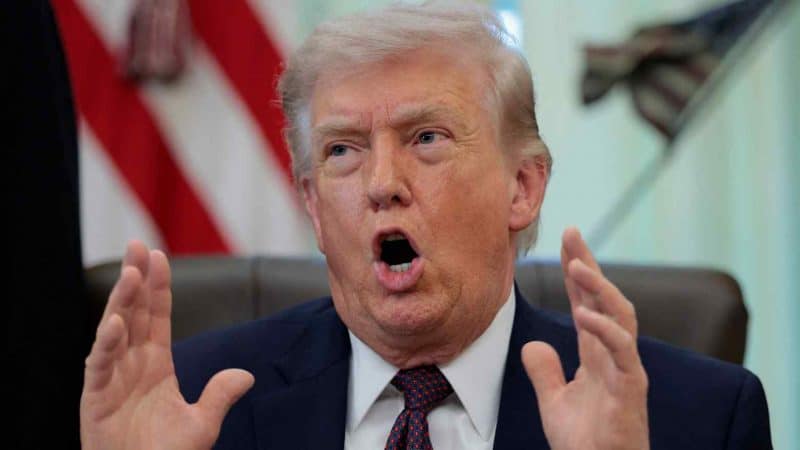
Former President Donald Trump has recently unveiled a strategic initiative dubbed the "Anaconda Plan," aimed at Iran. This approach encompasses a comprehensive naval blockade alongside a series of economic sanctions. By leveraging maritime power and financial restrictions, the plan seeks to curtail Iran's regional influence and nuclear ambitions. As the geopolitical landscape shifts, the ramifications of this initiative could extend far beyond the immediate U.S.-Iran relations, reverberating through global markets, particularly in oil and energy sectors.
Implications for U.S.-Iran Relations
The Anaconda Plan represents a significant escalation in the ongoing tensions between the United States and Iran. Historically, U.S.-Iran relations have been fraught with conflict, particularly following the U.S. withdrawal from the Joint Comprehensive Plan of Action (JCPOA) in 2018. Trump's latest maneuver is likely to exacerbate these tensions, making diplomatic negotiations increasingly elusive. The naval blockade could limit Iran's ability to export oil, a critical lifeline for its economy, thereby intensifying the existing economic strain on the nation.
Impact on Global Oil Markets
Iran is one of the key players in the global oil market, holding significant reserves and production capacity. The introduction of a naval blockade as part of the Anaconda Plan could disrupt oil supply chains, leading to increased volatility in global oil prices. Analysts suggest that any substantial reduction in Iranian oil exports could trigger a surge in prices, affecting both producers and consumers worldwide. The ripple effects may also influence OPEC's decisions regarding production levels, as member countries respond to market fluctuations.
Sanctions and Economic Fallout
The sanctions accompanying the Anaconda Plan are poised to have a profound impact on Iran's economy. Already grappling with high inflation and currency devaluation, the additional financial restrictions could further isolate Iran from the global financial system. This isolation may not only stifle Iran's economic growth but also increase the likelihood of domestic unrest as citizens face worsening living conditions. The broader implications for regional stability should not be overlooked, as economic distress often leads to increased tensions and conflict.
Geopolitical Repercussions in the Middle East
The Anaconda Plan could also reshape the geopolitical dynamics in the Middle East. Iran's influence extends to various proxy groups and allies throughout the region, including Hezbollah in Lebanon and various factions in Iraq and Syria. By targeting Iran's economic and military capabilities, the U.S. may inadvertently incite further instability in these areas. The potential for escalated conflict could draw in other regional powers, complicating an already intricate geopolitical landscape.
International Response and Diplomatic Challenges
The international community's response to the Anaconda Plan will be crucial in determining its effectiveness and longevity. Key allies and adversaries alike will be watching closely to assess how the U.S. strategy unfolds. European nations, which have historically sought to maintain dialogue with Iran, may find themselves at odds with the U.S. approach, complicating transatlantic relations. Additionally, countries like China and Russia, both of whom have significant economic ties with Iran, may oppose the blockade and sanctions, potentially leading to a united front against U.S. policies.
Market Reactions and Investor Sentiment
Financial markets are likely to react swiftly to the developments surrounding the Anaconda Plan. Investors often seek to hedge against geopolitical risks, and the uncertainty surrounding U.S.-Iran relations may prompt shifts in investment strategies. Energy stocks, particularly those tied to oil production and refining, may experience heightened volatility as traders assess the potential impact on supply and demand dynamics. Additionally, commodities markets could see increased trading activity as participants position themselves in anticipation of price fluctuations.
Long-term Consequences for Energy Security
The Anaconda Plan raises pertinent questions regarding energy security, not just for the U.S. but for global markets at large. As tensions escalate and supply chains become threatened, countries may be forced to reevaluate their energy strategies. Nations heavily reliant on Iranian oil may seek alternative sources, potentially accelerating the transition to renewable energy or prompting increased investments in domestic production capabilities. This shift could have lasting effects on energy markets and geopolitical alliances.
Conclusion: Navigating a Complex Landscape
As the Anaconda Plan unfolds, the complexities of U.S.-Iran relations and their implications for global markets will become increasingly evident. The interplay between military strategy, economic sanctions, and diplomatic negotiations will shape the future of not only Iran but also the broader Middle East and global energy markets. Stakeholders across various sectors must remain vigilant as they navigate this multifaceted landscape, recognizing that the outcomes of these developments could have far-reaching consequences for years to come.