


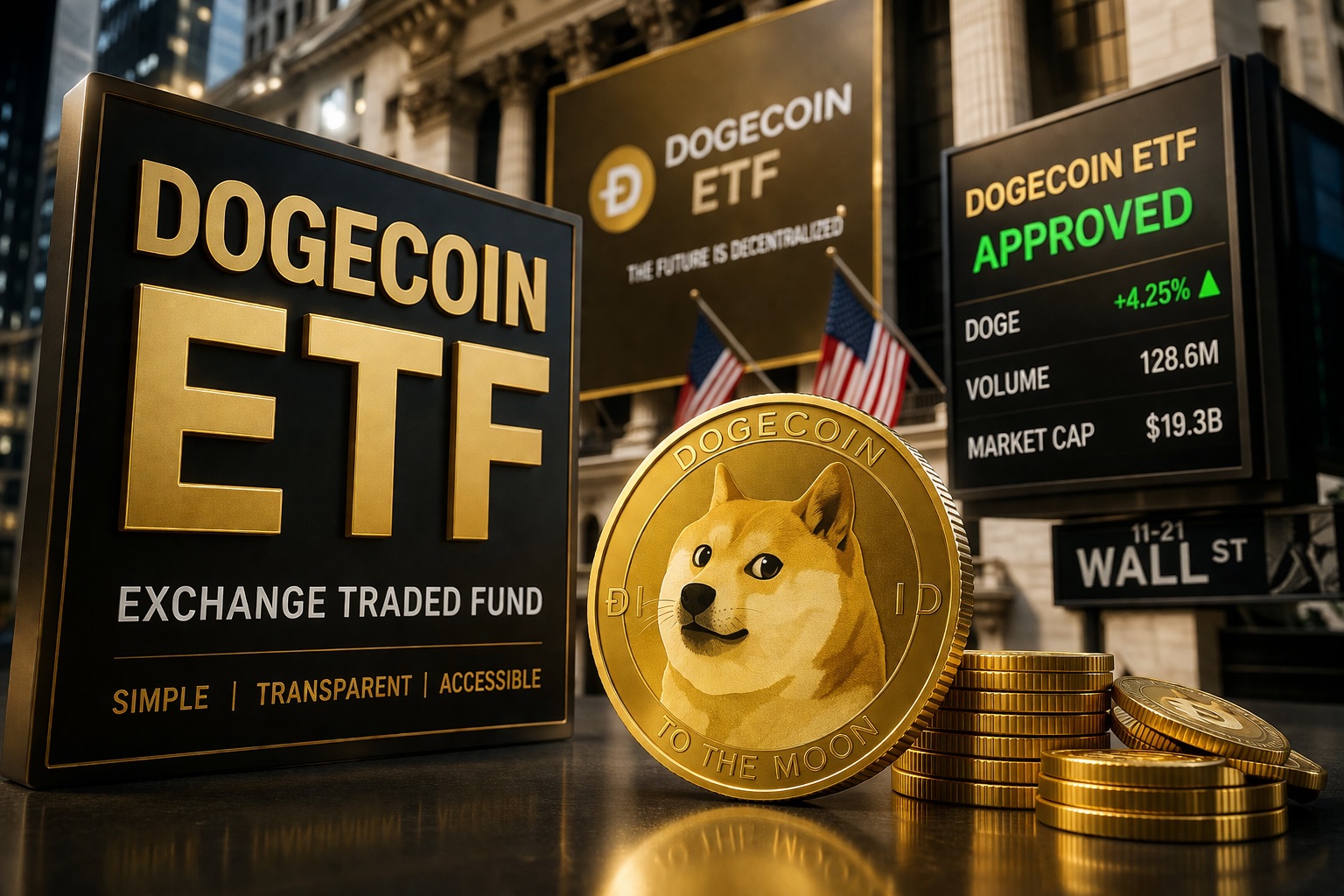
Dogecoin's Institutional Leap: A New Financial Frontier
Dogecoin, once primarily recognized as a meme-inspired cryptocurrency, has recently taken a significant step towards legitimacy in the financial markets. By being packaged for institutional investors through a regulated financial product in Europe, Dogecoin is transforming from a speculative asset into a more structured investment opportunity. This development not only highlights the evolving landscape of cryptocurrency but also raises questions about the potential impact on both the asset itself and the broader market.
The Mechanism of Institutional Packaging
The introduction of a regulated financial product focusing on Dogecoin is a strategic move aimed at attracting institutional investors who have historically been cautious about entering the cryptocurrency market. This packaging typically involves creating exchange-traded products (ETPs) or mutual funds that include Dogecoin as part of their portfolios, thus providing a more traditional investment vehicle. Such products come with regulatory oversight, which can enhance credibility and appeal to institutional investors seeking safer exposure to digital assets.
Market Reactions: An Initial Response
Initial reactions from the market have been mixed. While some investors welcomed the news as a sign of maturation for the cryptocurrency sector, others remain skeptical about Dogecoin's long-term viability as a serious investment. The announcement has sparked a wave of discussions among market analysts regarding the potential for increased liquidity and how this could affect Dogecoin’s price stability and volatility. The historical context of Dogecoin's price fluctuations suggests that while institutional interest may stabilize the asset, it could also lead to speculative trading behavior among retail investors.
Comparative Analysis: Dogecoin vs. Established Cryptocurrencies
In comparing Dogecoin's entry into the institutional market with other well-established cryptocurrencies, such as Bitcoin and Ethereum, it is essential to consider the differences in their adoption and perception. Bitcoin, often viewed as a digital gold, has already established a robust presence in institutional portfolios, while Ethereum's smart contract capabilities have made it a favorite among developers and investors alike. Dogecoin's unique branding and community-driven approach set it apart, but whether this will translate into sustained institutional interest remains to be seen.
Understanding the Appeal of Dogecoin
Dogecoin's appeal lies not only in its origins as a meme but also in its vibrant community and philanthropic initiatives. The currency has garnered attention for its use in charitable donations and sponsorships, creating a positive public image that may resonate with socially conscious investors. This community aspect could play a pivotal role in how institutional investors perceive the asset, as they increasingly look for investments that align with their values and social responsibility goals.
Potential Risks and Challenges Ahead
Despite the promising developments, several risks and challenges could hinder Dogecoin's path to becoming a mainstream institutional asset. Regulatory uncertainty remains a significant concern, as different jurisdictions continue to grapple with how to classify and regulate cryptocurrencies. Additionally, the intrinsic volatility of Dogecoin, characterized by sudden price surges and declines, could deter institutional investors who typically seek stability in their portfolios.
Impact on the Broader Cryptocurrency Ecosystem
The packaging of Dogecoin for institutional investors could have ripple effects across the entire cryptocurrency ecosystem. Should this initiative succeed, it may pave the way for other cryptocurrencies to follow suit, encouraging a wave of institutional adoption that could further legitimize the industry. Conversely, if Dogecoin fails to meet expectations, it could reinforce skepticism among institutional players regarding the viability of cryptocurrencies as a whole.
Future Prospects: Will Dogecoin Become a Staple?
Looking ahead, the question remains whether Dogecoin will solidify its position as a staple in institutional investment portfolios or fall back into the realm of speculative assets. Analysts suggest that the key factors influencing this outcome will include market sentiment, regulatory developments, and the overall performance of the cryptocurrency market. If Dogecoin can demonstrate stability and continued community support, it may well transition into a more accepted asset class.
Conclusion: A Pivotal Moment for Dogecoin
The recent move to package Dogecoin for institutional investors marks a pivotal moment in its evolution from a meme to a potential tradable asset within traditional financial markets. While the initial reception has been mixed, the broader implications of this development could reshape not only Dogecoin's future but also the landscape of cryptocurrency investment as a whole. As institutional interest grows, the coming months will be critical in determining whether Dogecoin can maintain its momentum and carve out a lasting presence in the financial world.