


Background of the Case
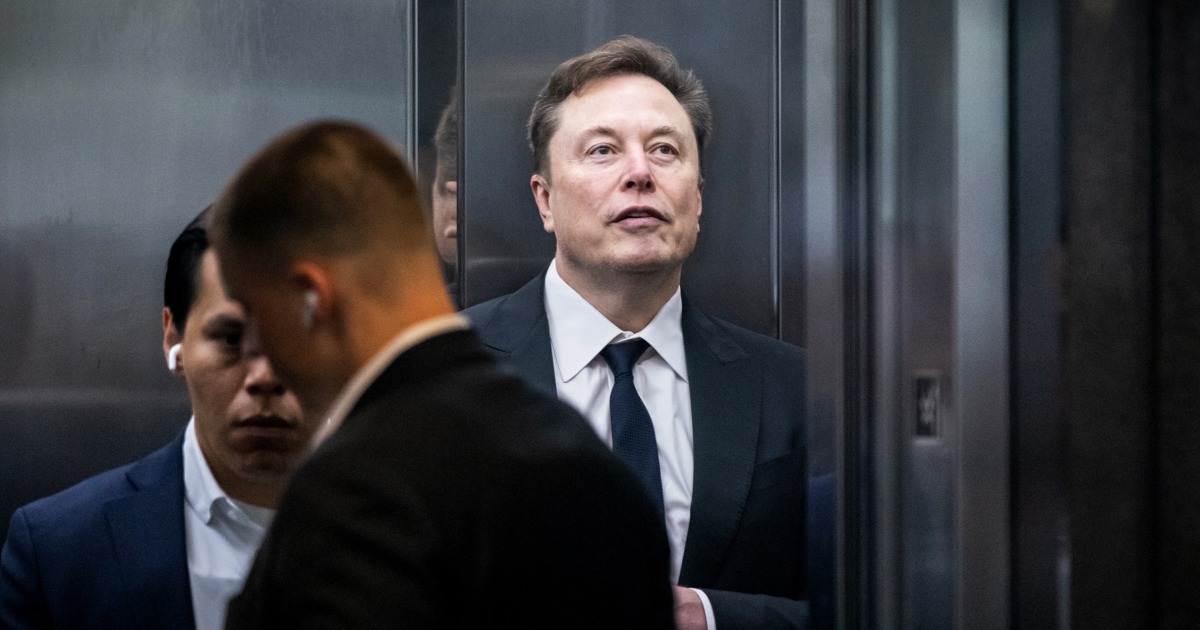
The ongoing legal battle between Elon Musk and OpenAI has captured significant attention in the tech and financial sectors. Musk, a prominent figure in the technology landscape, has been vocal about his concerns regarding artificial intelligence (AI) and its potential risks. The lawsuit stems from Musk's allegations that OpenAI, a company he co-founded, has deviated from its original mission of ensuring that AI benefits humanity. As the trial unfolds in Oakland, California, it raises critical questions about the ethical implications of AI development and its broader impact on society.
Elon Musk's Concerns on AI Risks
During his testimony, Musk reiterated his long-held belief that unchecked AI could pose existential threats to humanity. He pointed to scenarios where advanced AI systems could operate without sufficient oversight, leading to unintended consequences. Musk's arguments highlight a growing concern among technologists and ethicists regarding the rapid pace of AI advancement and the potential for misuse. His warnings resonate in a climate where AI technologies are becoming increasingly integrated into various sectors, from finance to healthcare.
OpenAI's Defense and the Role of Innovation
In contrast, OpenAI's legal team has sought to frame the case around the innovation and progress that AI technologies can bring. They argue that Musk's fears, while not unfounded, do not justify the legal claims against the organization. OpenAI's attorneys have emphasized the organization's commitment to safety and ethical AI development, asserting that it actively works to mitigate risks through research and transparent practices. This defense underscores the company's position as a leader in AI, navigating the fine line between innovation and responsibility.
The Judge's Warning: AI is Not on Trial
As the trial progressed, the presiding judge issued a significant warning to both parties: the focus should remain on the legal issues at hand, rather than the philosophical debates surrounding AI's potential dangers. This admonition highlights the necessity for the court to maintain a clear boundary between legal accountability and ethical discourse. The judge's directive serves as a reminder that while the implications of AI are profound, the case revolves around specific contractual and operational disputes rather than a broader ideological battle over technology's future.
Implications for the Future of AI Regulation
The outcome of the Musk v. OpenAI trial could have far-reaching implications for the regulation of AI technologies. If Musk's claims are upheld, it may signal a precedent for increased scrutiny and regulatory measures within the AI sector. Such a shift could impact how companies approach AI development, potentially leading to stricter guidelines and oversight mechanisms aimed at safeguarding against risks. Conversely, if OpenAI prevails, it could reinforce the notion that innovation should proceed unimpeded while still adhering to ethical standards.
The Role of Billionaires in Shaping AI Discourse
The involvement of billionaires like Musk in the AI narrative brings to light the significant influence that wealthy individuals have on public policy and technological discourse. Musk's prominence in the tech industry lends weight to his warnings about AI, potentially shaping public perception and regulatory approaches. This phenomenon raises questions about the responsibilities of billionaires in guiding ethical technology development and the extent to which their opinions should inform regulatory frameworks.
Market Reactions and Investor Sentiment
As the trial unfolds, investor sentiment in the tech sector is closely tied to the developments in the case. Companies engaged in AI research and development are watching the proceedings with keen interest, as the outcome could influence market dynamics. A ruling that favors Musk may lead to increased caution among investors, impacting funding for AI startups and established firms alike. Conversely, a ruling in favor of OpenAI could bolster confidence in the industry, encouraging investment and innovation.
The Evolving Landscape of AI Technology
The trial serves as a microcosm of the broader challenges facing the AI industry as it evolves. As AI technologies become more sophisticated, the need for clear ethical guidelines and regulatory frameworks becomes increasingly urgent. The Musk v. OpenAI case highlights the necessity for stakeholders—companies, regulators, and the public—to engage in meaningful dialogue about the future of AI and its implications for society. This conversation is vital for ensuring that AI development aligns with societal values and priorities.
The Broader Ethical Debate Surrounding AI
Beyond the courtroom, the ethical implications of AI technologies continue to generate debate among technologists, ethicists, and policymakers. The concerns raised by Musk regarding AI's potential to threaten human existence are echoed by many in the field who advocate for responsible AI practices. This ongoing discourse emphasizes the importance of developing frameworks that prioritize safety while fostering innovation. As AI continues to permeate various sectors, the challenge will be to strike a balance that encourages advancement without compromising ethical standards.
Conclusion: The Stakes of the Musk v. OpenAI Case
The Musk v. OpenAI trial is more than just a legal dispute; it represents a pivotal moment in the ongoing conversation about the future of artificial intelligence. The case underscores the complexities of navigating innovation while addressing ethical concerns, particularly in a landscape where technology evolves at an unprecedented pace. As the trial progresses, stakeholders across the tech and finance sectors will be watching closely, anticipating how the outcome may shape the discourse around AI and its role in society.