


Tesla's Model X: A Resurgence in the Used Car Market
In a surprising turn of events, the discontinued Tesla Model X has emerged as the fastest-selling used car in the United States, capturing the attention of both automotive enthusiasts and potential buyers alike. The Model X, which was discontinued in 2023, has seen a remarkable increase in demand, driving up its resale value and solidifying its status as a sought-after vehicle in the used car market. This trend highlights not only the enduring appeal of Tesla's electric vehicles but also the shifting dynamics of consumer preferences in the automotive landscape.
Market Dynamics Fueling Demand
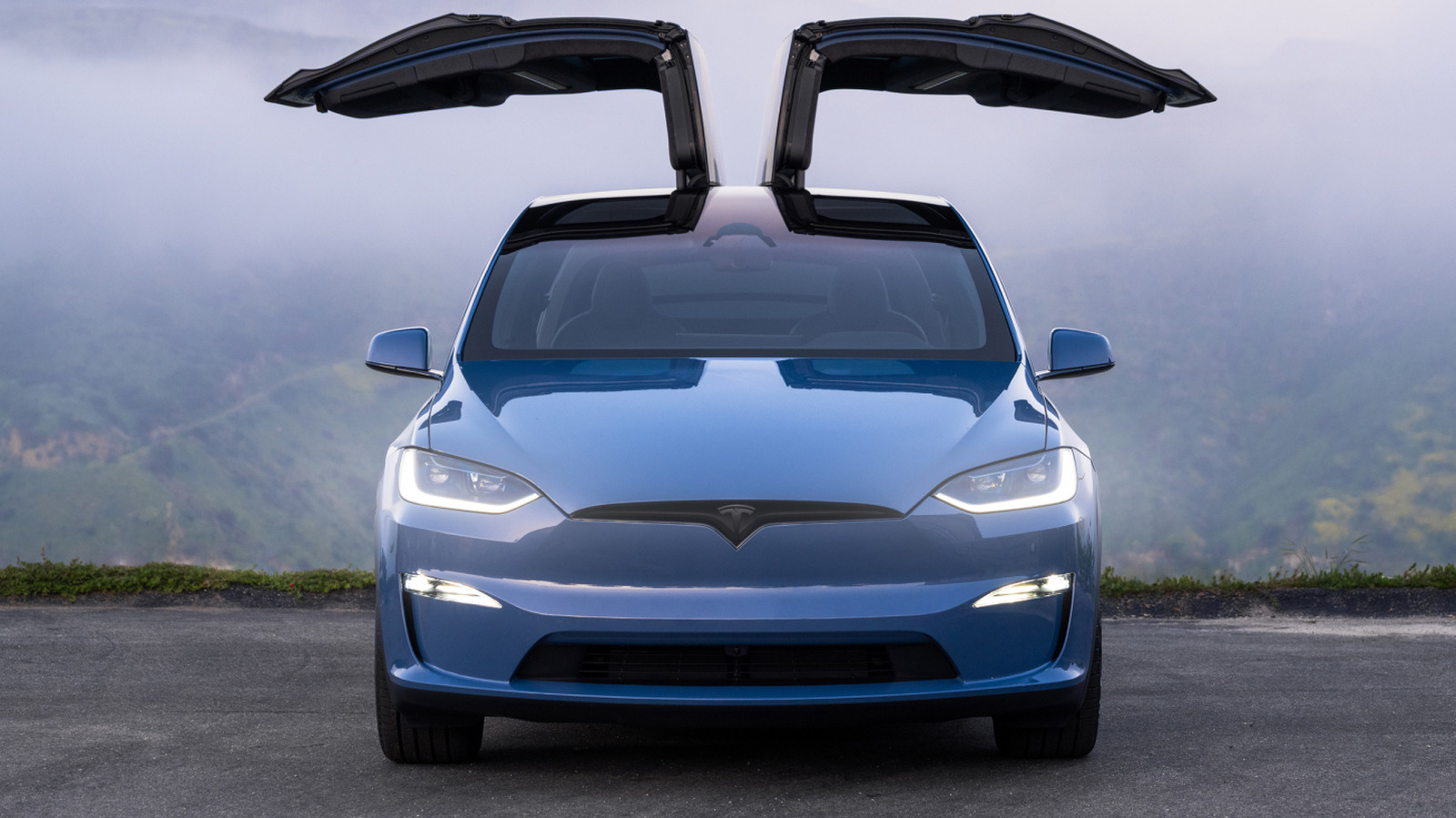
The surge in demand for the Model X can be attributed to several factors. Firstly, the growing emphasis on sustainability and electric mobility has prompted consumers to seek out electric vehicles (EVs) that align with their values. The Model X, known for its distinctive falcon-wing doors and spacious interior, offers a unique combination of luxury and eco-friendliness, making it an attractive option for buyers looking to transition away from traditional gasoline-powered vehicles.
Additionally, the recent fluctuations in the automotive market, characterized by supply chain disruptions and inventory shortages, have led to a scarcity of new vehicles. This scarcity has driven consumers to explore the used car market more aggressively, and Tesla's brand recognition and reputation for innovation have positioned its vehicles as prime candidates for resale. The Model X's features, such as advanced safety technology and impressive performance metrics, further enhance its desirability among used car buyers.
Tesla’s Broader Impact on the Used Car Market
The resurgence of the Model X is not an isolated phenomenon; Tesla's other models have also ranked high on the list of fastest-selling used cars in recent months. The Model Y, a compact SUV, and the Cybertruck, which has garnered significant attention since its announcement, are both experiencing rapid turnover in the used car market. This trend underscores Tesla's strong brand loyalty and the increasing acceptance of electric vehicles among mainstream consumers.
According to industry analysts, the rapid sales of these models indicate a broader shift in consumer behavior, with more buyers willing to invest in electric vehicles. Tesla's innovative approach to automotive design and technology has set a benchmark for the industry, prompting other manufacturers to accelerate their EV offerings. As a result, the demand for pre-owned Teslas is likely to remain robust as consumers seek options that combine performance, sustainability, and cutting-edge features.
Financial Implications for Tesla and the Automotive Industry
The rapid sales of the Model X and other Tesla vehicles in the used car market have significant financial implications for the company. As the demand for used Teslas increases, the resale value of these vehicles is expected to rise, contributing to a positive feedback loop that enhances Tesla's brand equity. This phenomenon not only benefits current Tesla owners looking to sell their vehicles but also reinforces the company's position in the automotive sector.
Moreover, the success of Tesla in the used car market may inspire other automakers to re-evaluate their strategies regarding electric vehicles and resale values. With the automotive industry increasingly shifting toward electrification, understanding the dynamics of the used EV market will become imperative for manufacturers seeking to remain competitive. As Tesla continues to innovate and expand its product offerings, the impact on the overall automotive landscape is likely to be profound.
Consumer Preferences and the Future of Electric Vehicles
The growing popularity of the Model X as a used car reflects changing consumer preferences in the automotive market. Buyers are increasingly prioritizing sustainability, performance, and advanced technology in their vehicle choices. As a result, electric vehicles are no longer niche products but have become mainstream options that appeal to a diverse range of consumers.
In this context, the continued success of Tesla's used models may serve as a catalyst for other manufacturers to invest more heavily in electric vehicle technology and infrastructure. The demand for used Teslas could signal a broader acceptance of EVs, prompting traditional automakers to enhance their offerings and invest in their own electric vehicle lines.
Challenges Ahead for Used EV Market
Despite the current demand for used Teslas, the used EV market is not without its challenges. One of the primary concerns for potential buyers is the availability of charging infrastructure. While Tesla has established an extensive Supercharger network, the adequacy of charging stations can vary by region, potentially impacting the attractiveness of electric vehicles for consumers who may not have easy access to charging facilities.
Additionally, as more manufacturers enter the electric vehicle space, the competition for market share in the used EV segment is expected to intensify. This increased competition could lead to fluctuations in resale values as more pre-owned electric vehicles become available. Tesla's ability to maintain its brand loyalty and customer satisfaction will be crucial in navigating this evolving landscape.
Conclusion: A Testament to Tesla's Enduring Appeal
The rapid rise of the Tesla Model X as the fastest-selling used car in the U.S. is a testament to the brand's enduring appeal and the shifting preferences of consumers toward electric vehicles. As sustainability and innovative technology continue to shape the automotive industry, Tesla's success in the used car market underscores its position as a leader in the transition to electric mobility.
Looking ahead, the performance of the Model X and other Tesla models in the used car market will likely influence the strategies of both Tesla and its competitors. With the automotive landscape continuing to evolve, the implications of this trend will extend beyond individual sales figures, shaping the future of transportation and consumer mobility in the years to come.