


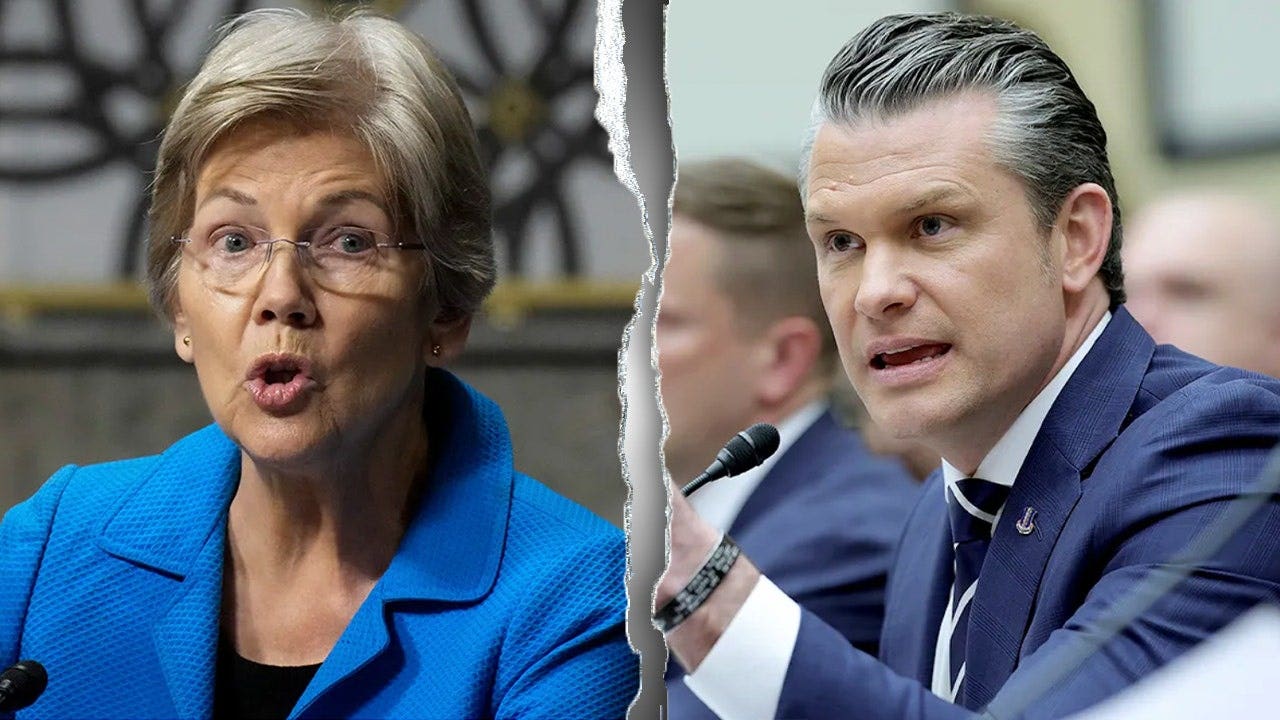
Background of the Senate Exchange
In a recent Senate hearing, War Secretary Pete Hegseth found himself at the center of a heated exchange with Senator Elizabeth Warren, who raised concerns regarding potential insider trading linked to oil trades amid escalating tensions with Iran. The contentious discussion highlighted the growing scrutiny of government officials and their financial dealings, particularly in the context of international conflicts that can significantly impact market dynamics.
Allegations of Insider Trading
Senator Warren's comments came in light of reports indicating that certain government officials had made significant trades in oil futures, raising questions about the timing and motivations behind these transactions. Warren, known for her staunch advocacy for financial transparency and accountability, accused Hegseth of leveraging privileged information to profit from the volatile oil market as the threat of military conflict with Iran loomed. Hegseth vehemently denied these allegations, asserting that his financial decisions were based on publicly available information and not insider knowledge.
The Broader Implications of the Exchange
This exchange is emblematic of a larger discourse surrounding the ethical responsibilities of public officials, especially in times of geopolitical tension. As nations navigate complex relationships and conflicts, the intersection of politics and finance becomes increasingly scrutinized. The potential for conflicts of interest is heightened, prompting calls for stricter regulations governing the financial activities of government officials. The implications of such regulations could reshape how policymakers engage with markets during crises.
The Impact on Oil Markets
The oil market is particularly sensitive to geopolitical events, with prices often reflecting the perceived risk of supply disruptions. Hegseth's position as War Secretary places him at a crucial intersection of military strategy and economic policy. His defensive stance against Warren's accusations underscores the potential volatility in oil prices that can arise from perceived insider trading. Market analysts closely monitor these developments, as they can significantly influence trading strategies and investment decisions in the energy sector.
Public Trust and Government Accountability
The exchange between Hegseth and Warren raises important questions about public trust in government officials. As allegations of insider trading surface, the need for transparency and accountability becomes paramount. Hegseth’s assertion that “no one owns me” reflects a commitment to maintaining independence in decision-making, yet it also invites skepticism from the public and investors alike. Restoring confidence in government integrity is critical, particularly in sectors as vital as energy and defense.
The Role of Legislation in Addressing Insider Trading Concerns
In light of the allegations and the ensuing debate, there is a renewed focus on legislative measures aimed at curbing insider trading among government officials. Proposals for stricter regulations would require that all financial transactions be disclosed in real time, thereby minimizing the potential for conflicts of interest. Such measures could serve to reassure the public and investors that government officials are acting in the best interest of the nation rather than for personal financial gain.
Market Reactions to Political Developments
Market participants are acutely aware of how political developments can influence economic conditions. The exchange between Hegseth and Warren has implications not only for the individuals involved but also for broader market sentiment. Traders often react to political news, adjusting their positions in anticipation of shifts in policy or market conditions. As tensions with Iran continue to evolve, the oil market remains on edge, reflecting the uncertainty surrounding the geopolitical landscape.
Hegseth’s Position and Future Implications
As War Secretary, Hegseth's responsibilities extend beyond mere military oversight; he also plays a pivotal role in shaping energy policy amid fluctuating global dynamics. His ability to navigate these challenges while addressing concerns about potential conflicts of interest will be critical to his tenure. The outcome of this heated exchange may influence not only his reputation but also the administration’s credibility in managing conflicts that have far-reaching economic implications.
The Intersection of Politics and Finance
The ongoing debate around insider trading allegations serves as a reminder of the intricate relationship between politics and finance. As government officials engage in decision-making that impacts markets, the potential for ethical dilemmas increases. The scrutiny faced by Hegseth highlights the necessity for clear boundaries and ethical standards in public service, particularly in times of crisis. As investors and the public demand greater accountability, the pressure on officials to maintain transparency will only intensify.
Future Outlook for Legislative Changes
The fallout from the Hegseth-Warren exchange may catalyze legislative changes aimed at enhancing transparency among government officials. As discussions around insider trading gain traction, lawmakers will likely consider reforms that address the concerns raised during the Senate hearing. These changes could reshape the landscape of public service, reinforcing the principle that government officials must operate without the shadow of financial impropriety.
Conclusion: Navigating the Complex Landscape of Governance
The exchange between Pete Hegseth and Elizabeth Warren encapsulates the complexities of governance in an era marked by increasing scrutiny of public officials. As the potential for insider trading allegations looms, the need for transparency and accountability is more pressing than ever. The implications of this debate extend beyond individual reputations, influencing market dynamics and public trust in government institutions. As navigating the intersection of politics and finance becomes ever more intricate, the outcomes of such discussions will be pivotal in shaping the future of public service and market stability.